The World’s Southernmost Point
The High Polar Plateau forms the elevated interior of Antarctica: an impressive expanse of ice rising between 3,000 and 4,000 m (9,842.5 and 13,123 ft). It is one of the coldest, driest and most remote environments on Earth, defined by thin air, unbroken horizons and winds that sweep across the plateau with relentless force.
At the Heart of the White Continent
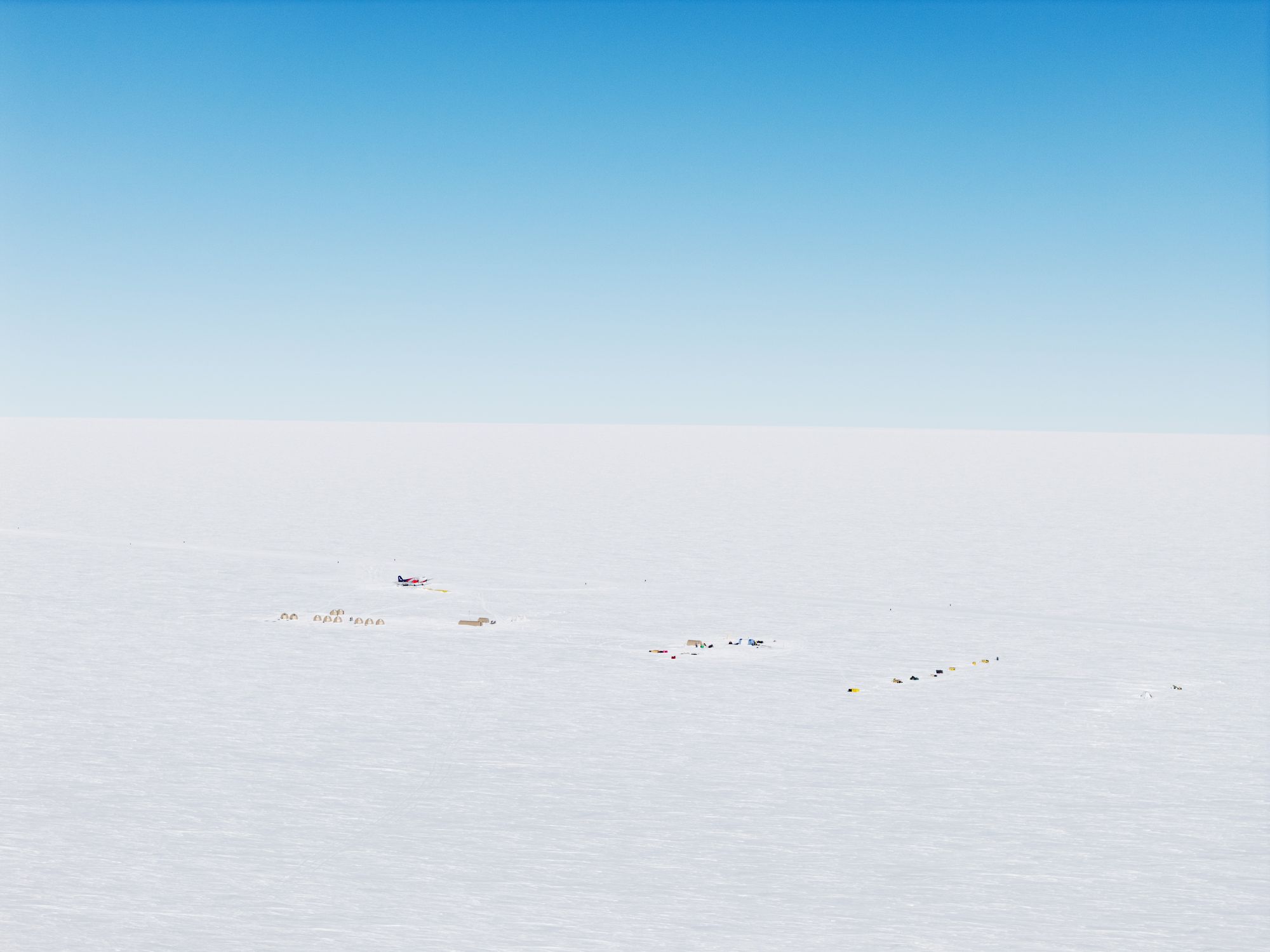
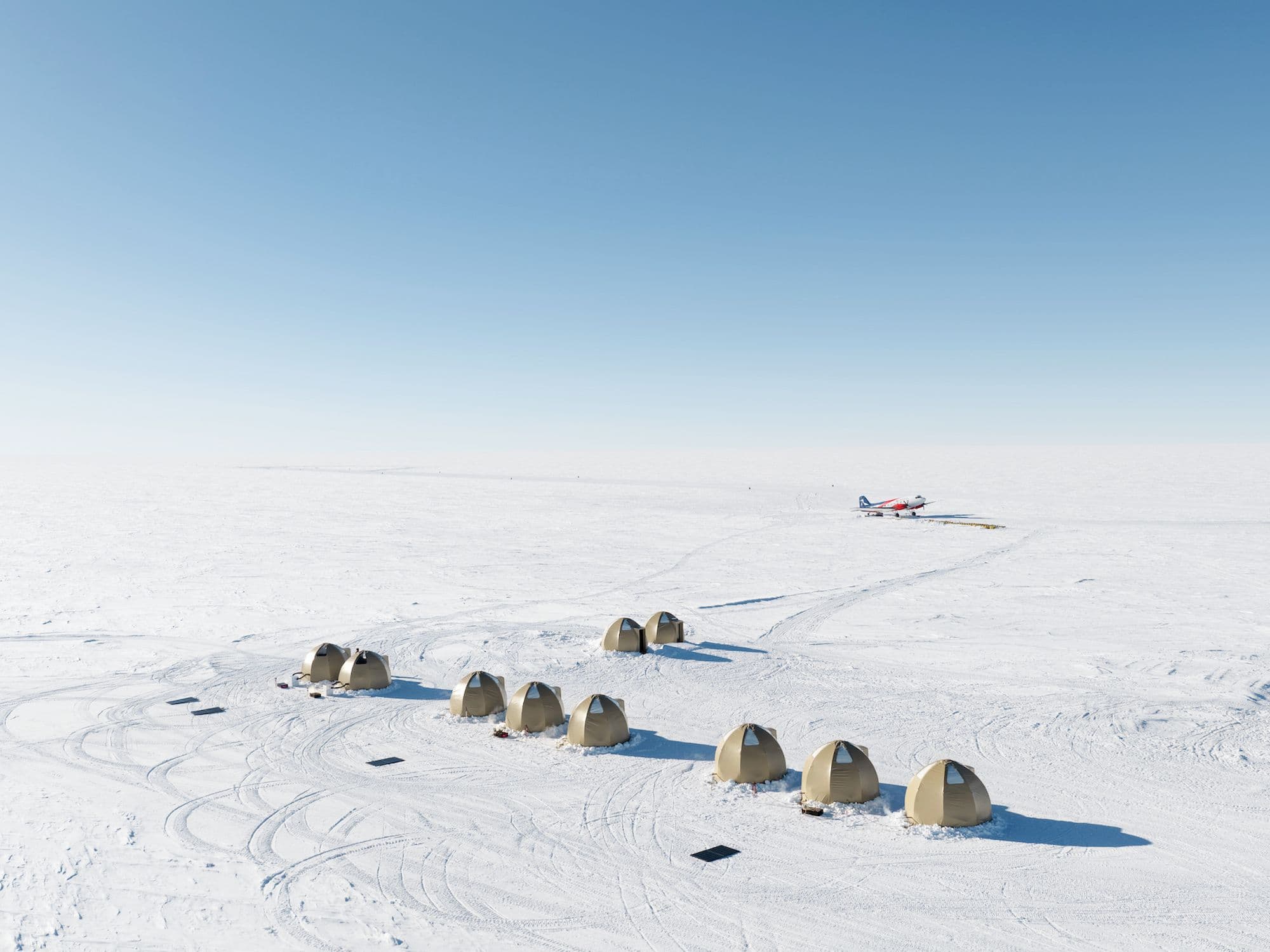
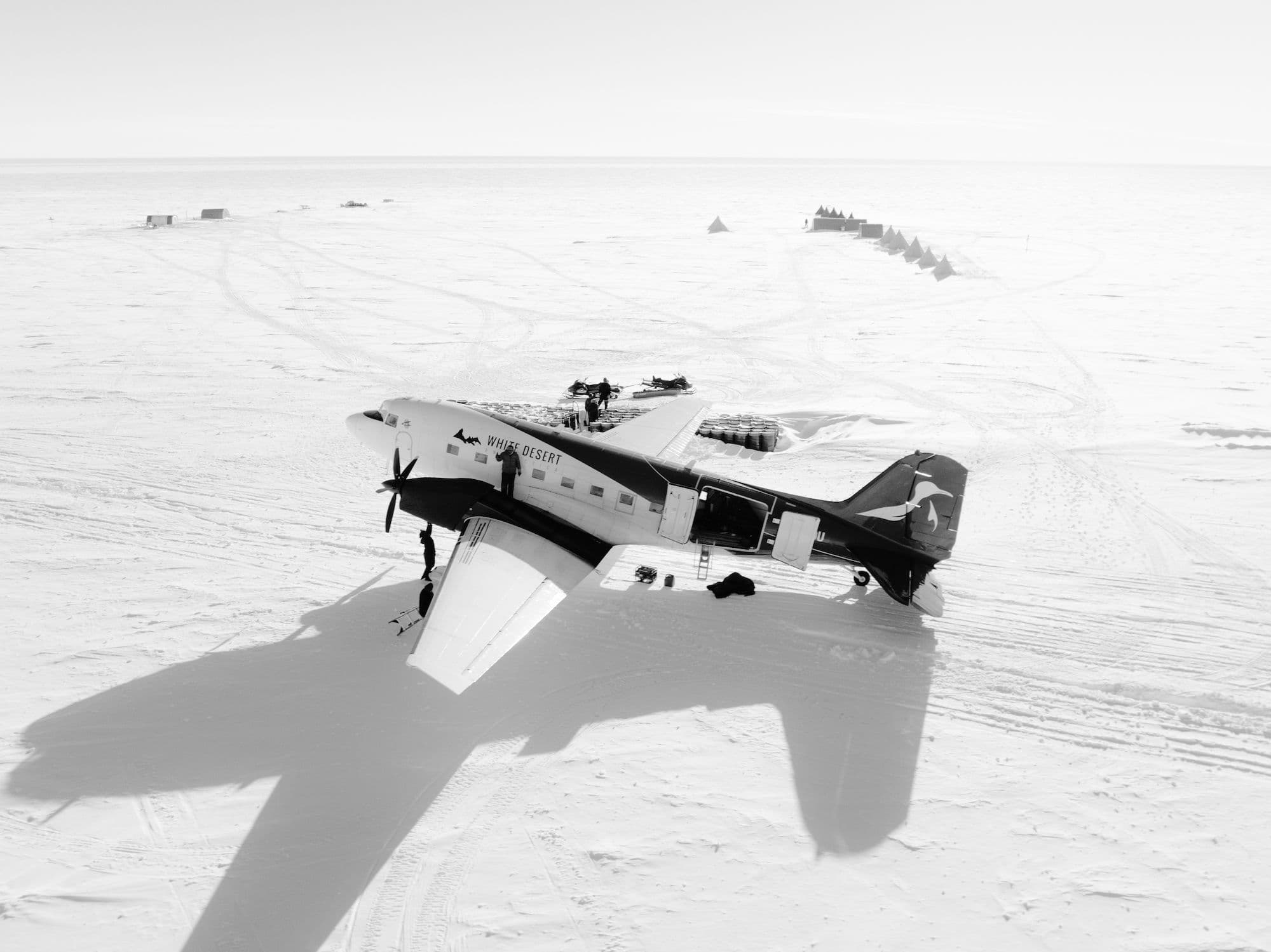
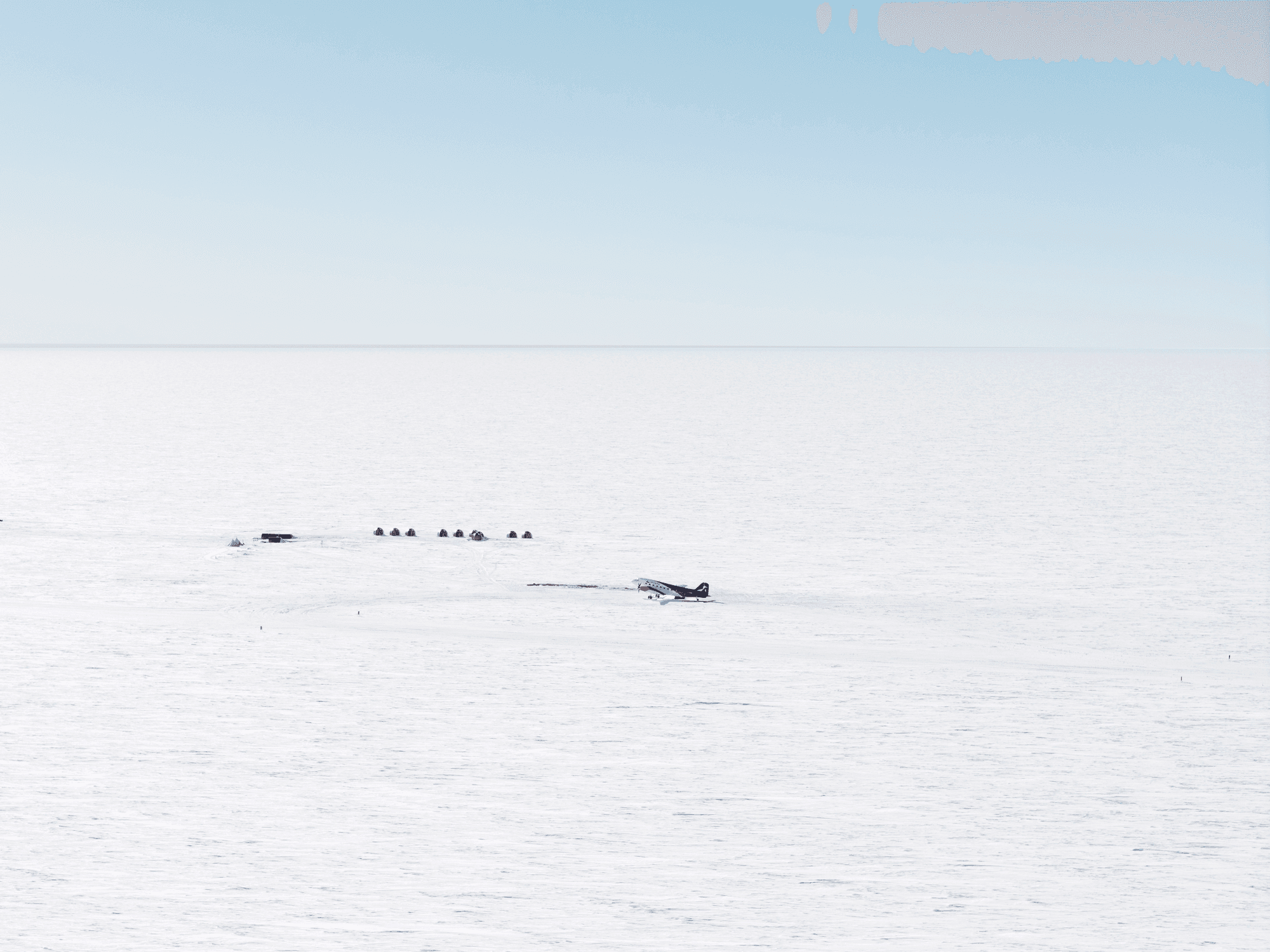
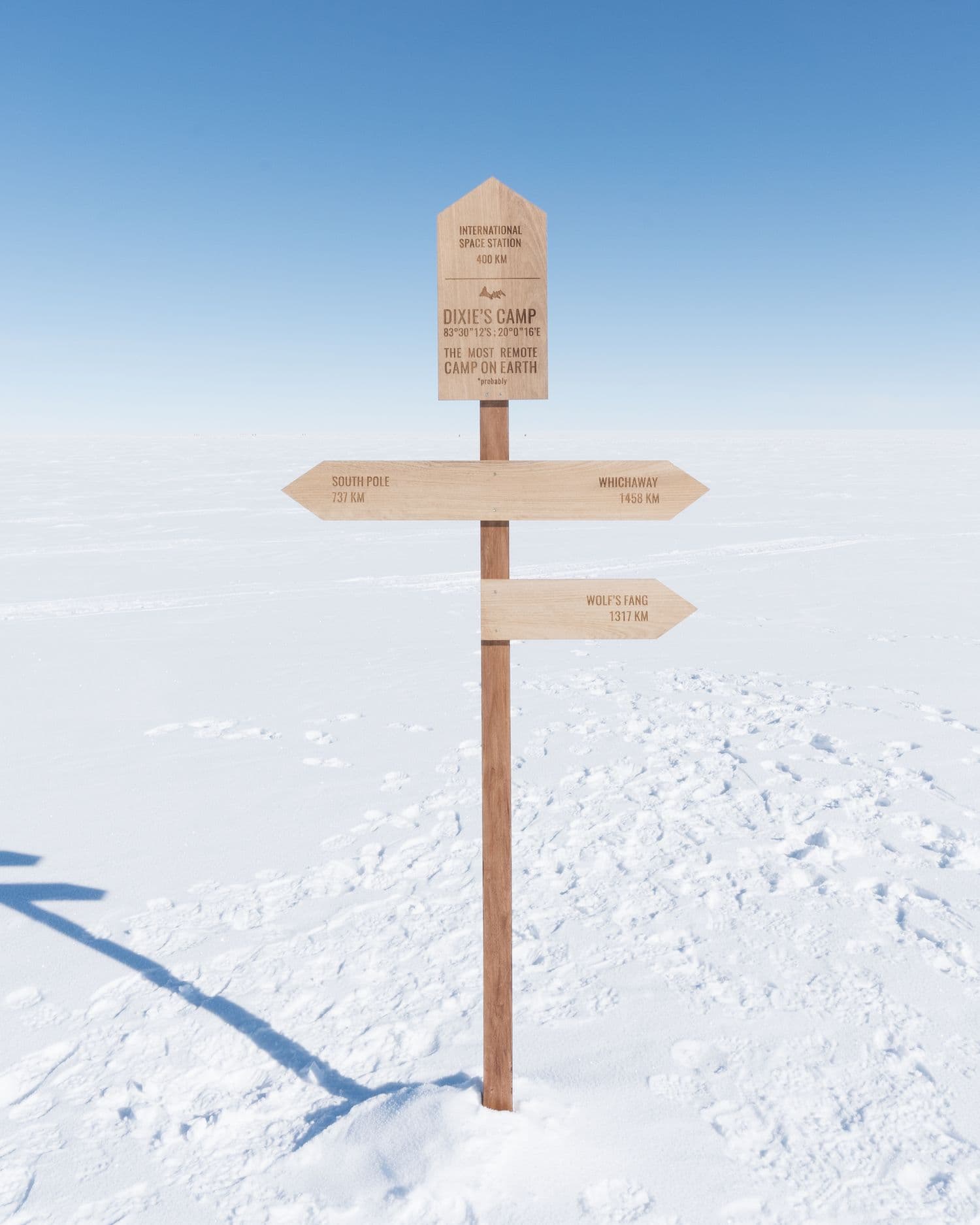
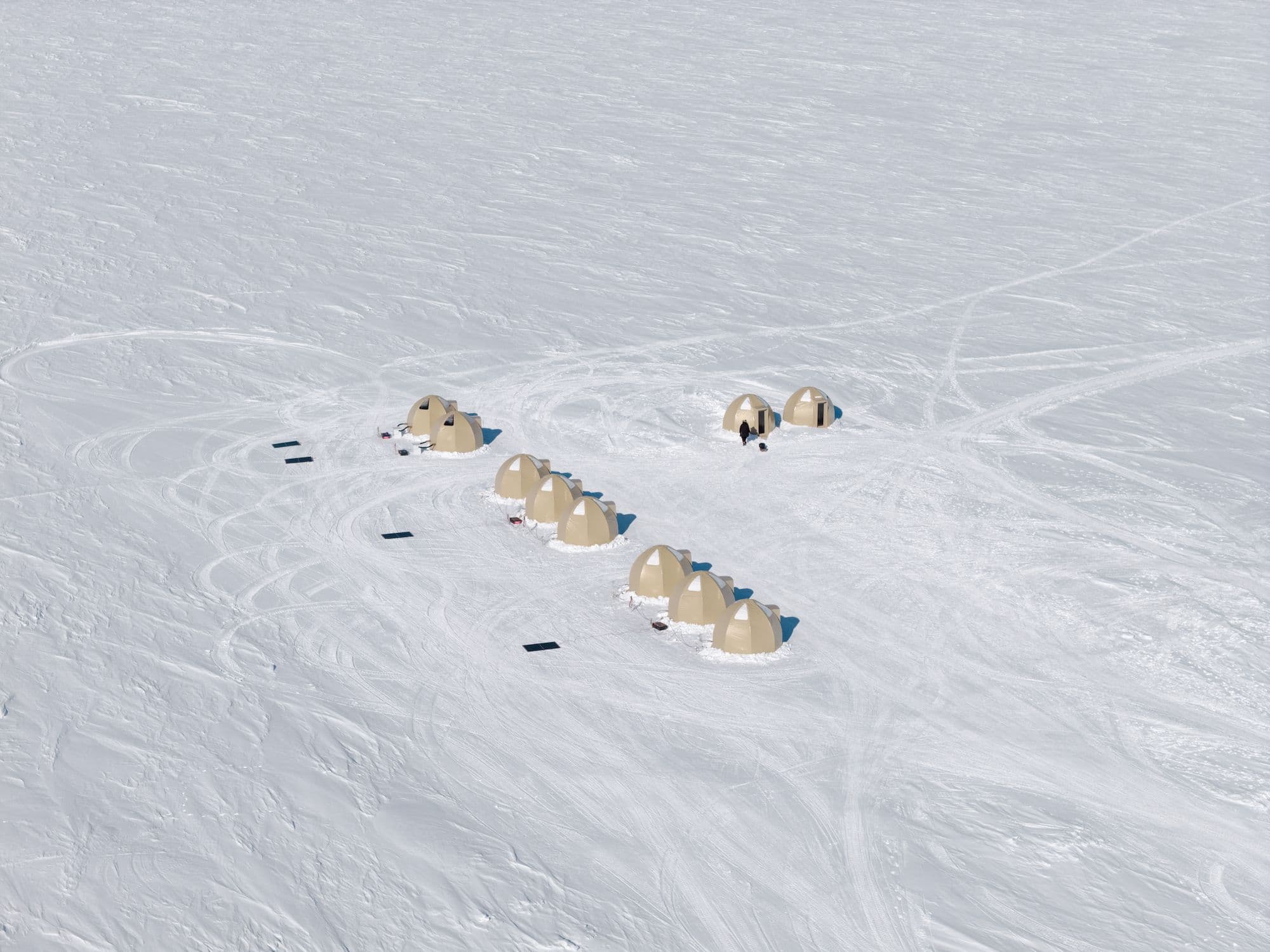
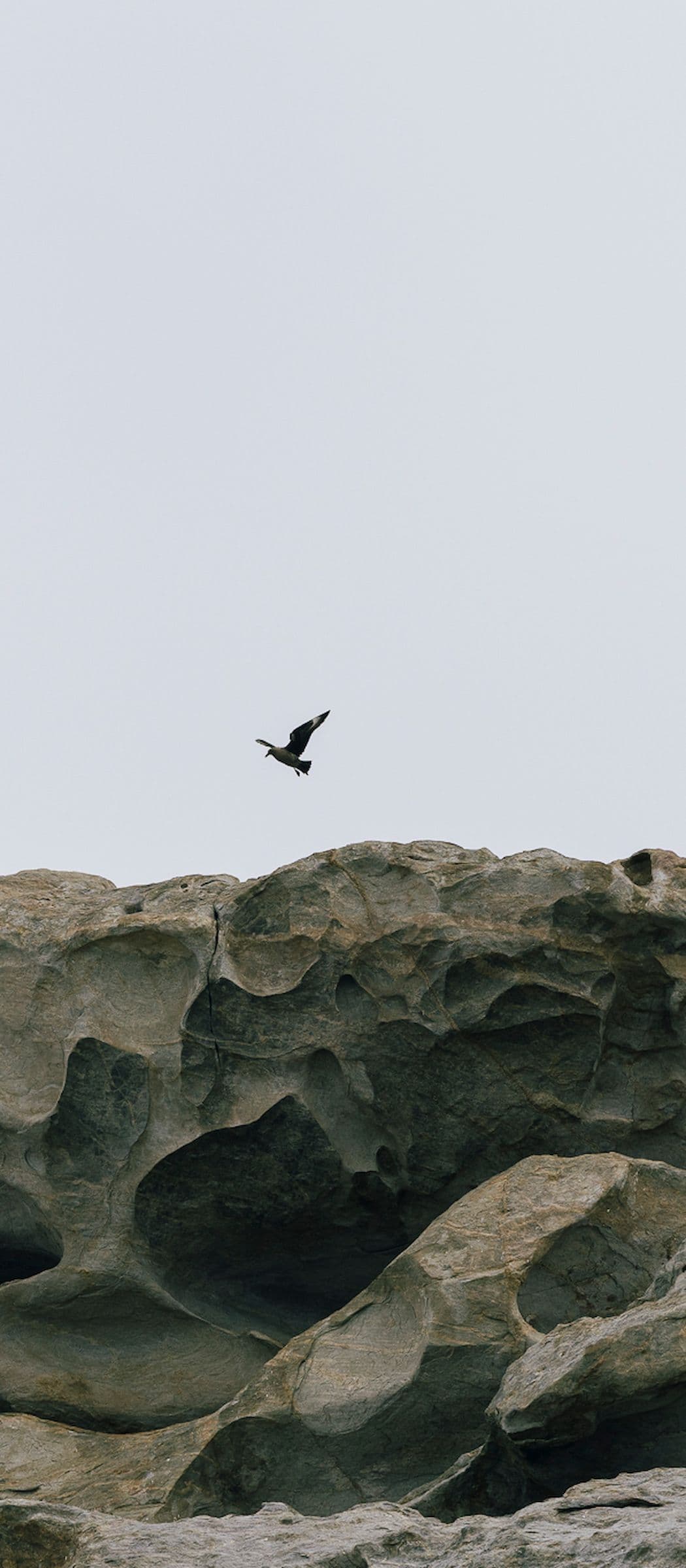
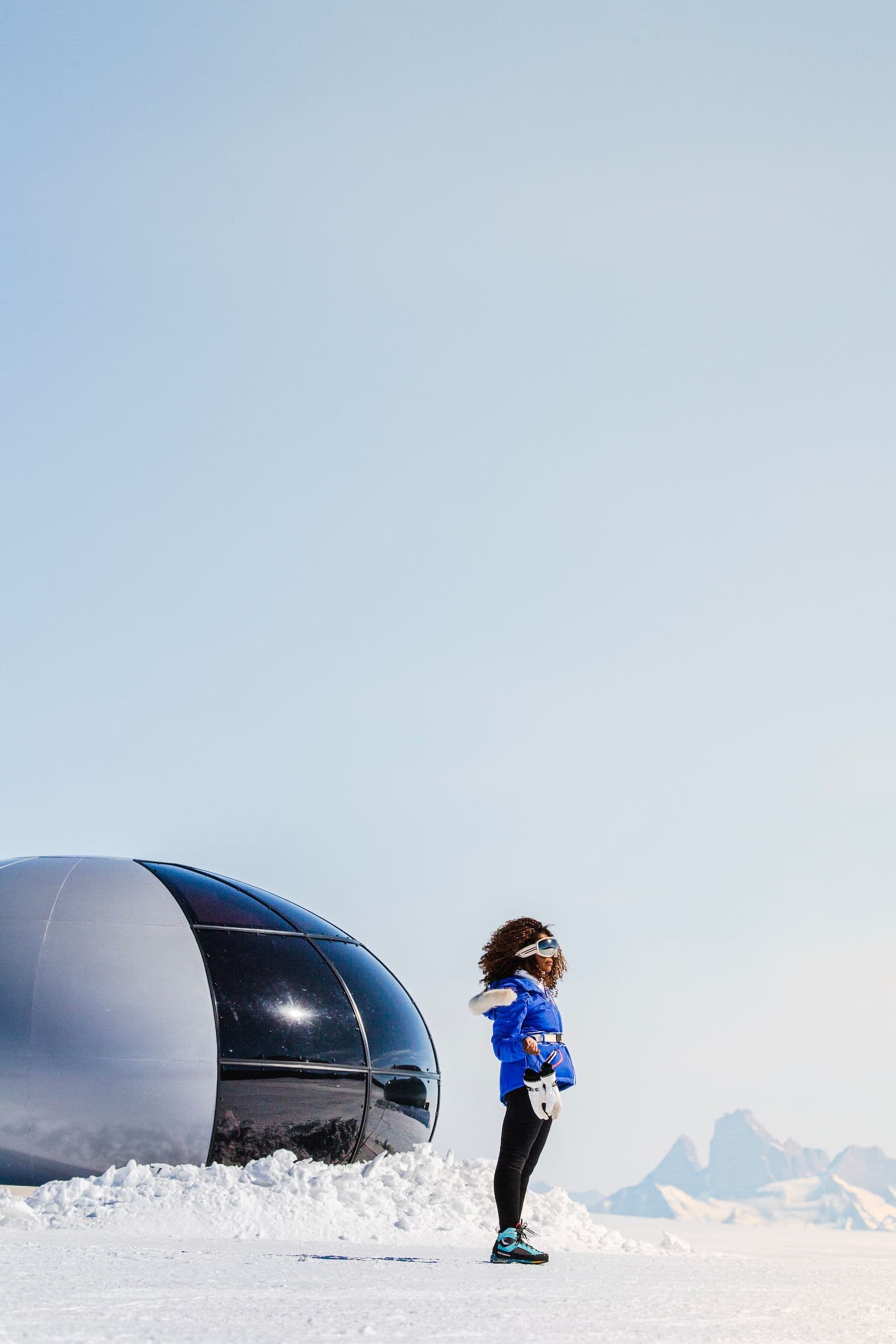
Deep within the East Antarctic Ice Sheet, at the heart of this vast interior, lies Dixie’s Camp (FD83) — White Desert’s remote field camp and essential staging point for journeys to the South Pole. Located at 83° South and approximately 700 km (435 mi) from the Pole, Dixie’s Camp sits within an environment largely inhospitable to life. These high interior ice-sheet locations offer little suitable habitat for wildlife, though off-course south polar skuas and snow petrels have, on rare occasions, been observed even this far inland.
Set at an altitude of approximately 2,640 m (8,660 ft) and positioned at 83° 00’ 00” S, 8° 49’ 58” E, Dixie’s Camp is among the most isolated seasonal camps on Earth. During the Antarctic summer, the sun never sets, bathing the camp in continuous daylight and reinforcing its sense of dislocation from the rhythms of the rest of the world. With the nearest permanent human presence more than 750 km away, the camp’s closest regular neighbour is the International Space Station, orbiting over 400 km overhead.
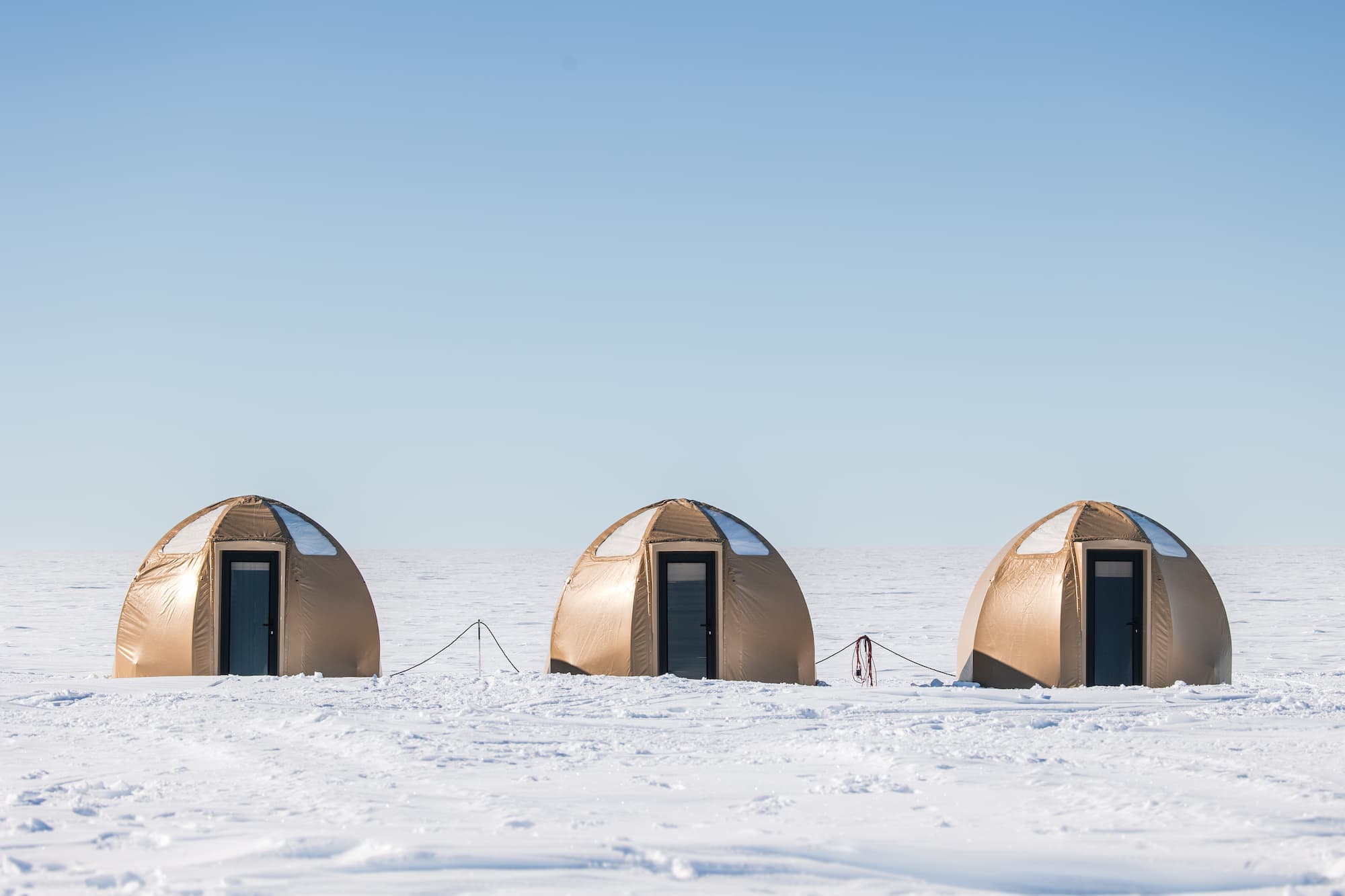
Accommodation at Dixie’s Camp reflects the heritage of polar exploration. Guests rest in expedition tents closely resembling those used by early pioneers such as Amundsen and Scott, reinterpreted through modern materials and design. Constructed from high-performance Helsport Rainguard® FR fabric, the tents are engineered to withstand high winds and rapidly changing weather conditions, offering shelter and warmth while maintaining a close connection to the environment outside.
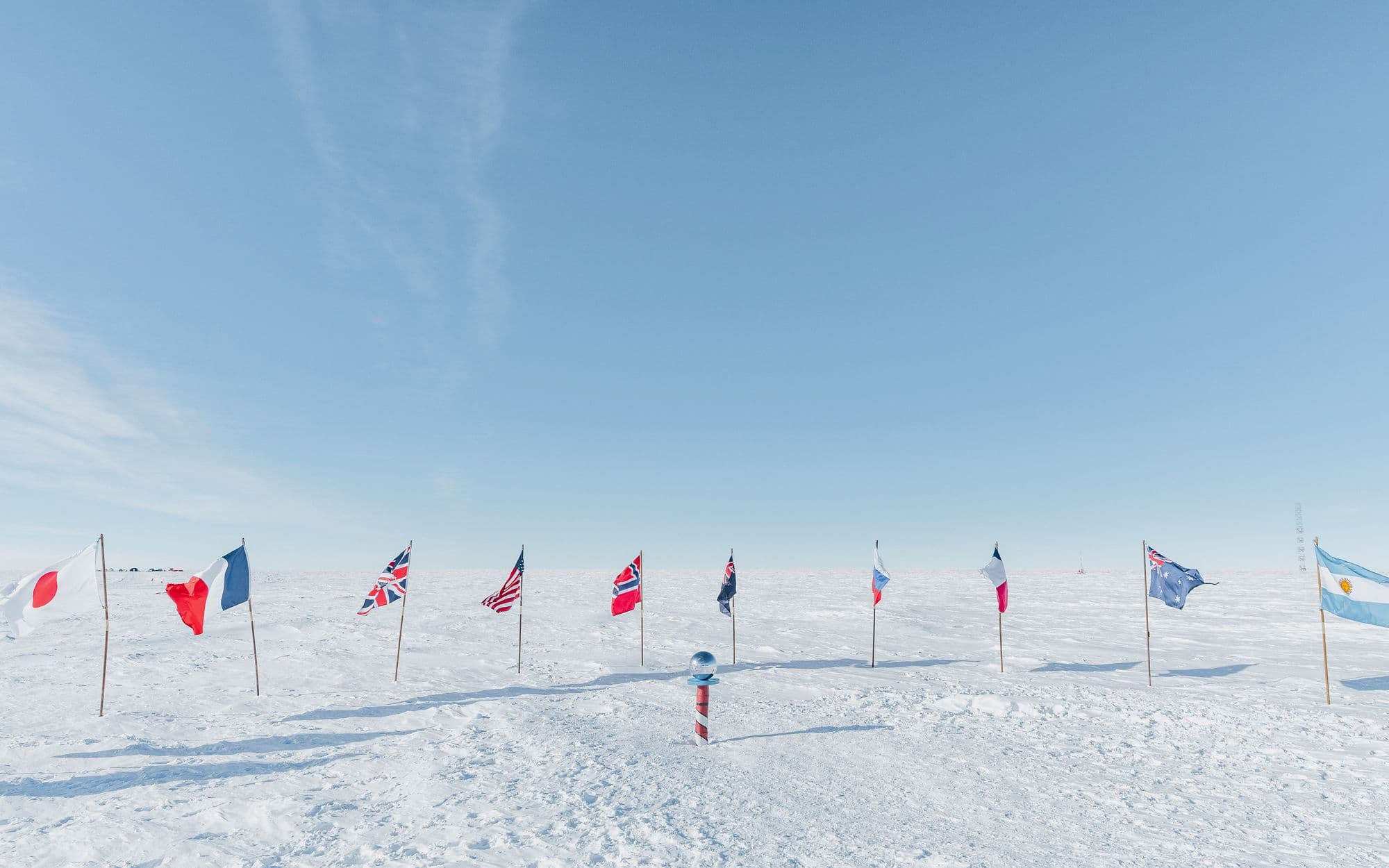
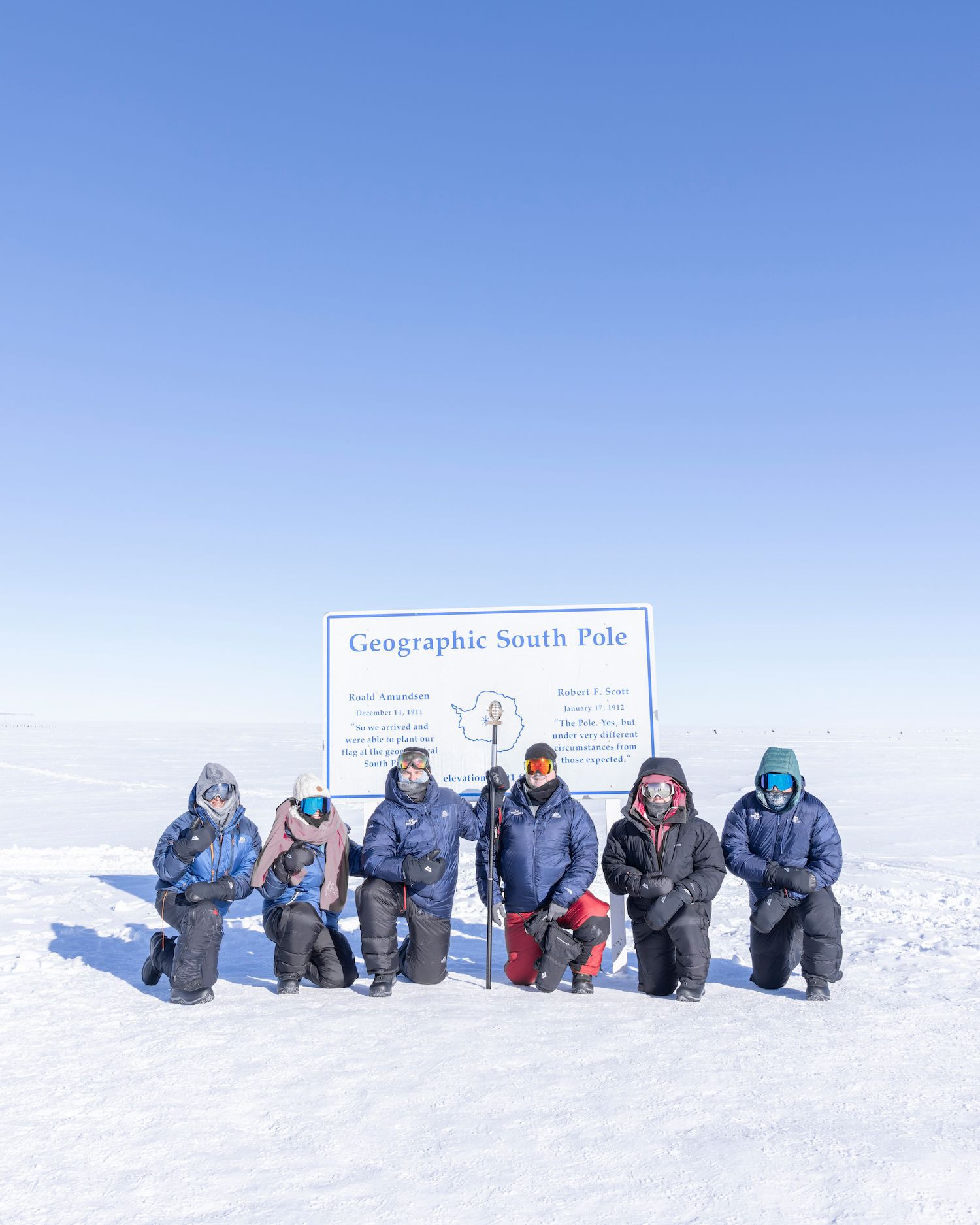
From Dixie’s Camp, a short flight leads to the South Pole itself, where exploration history and modern science converge. Upon arrival, two distinct markers reveal the dual identity of this iconic site. The Ceremonial South Pole — installed in 1965 and crowned with a mirrored sphere — honours Roald Amundsen and his team, the first to reach the Pole in 1911, standing as a symbol of human achievement in one of the harshest places on Earth. Nearby, the Geographic South Pole marks the precise point where Earth’s axis of rotation meets the surface. As the ice sheet drifts several metres each year — approximately 3–10 m (10–33 ft) — this marker is repositioned annually to maintain scientific accuracy.
-
THE INTERIOR OF ANTARCTICA LIFTS INTO A HIGH, UNBROKEN PLATEAU OF ICE, A COLD, HIGH EXPANSE OF THIN AIR AND OPEN HORIZONS REACHED ONLY BY THOSE WHO TRAVEL FAR SOUTH.
White Desert operates within the Amundsen–Scott Antarctic Specially Managed Area, adhering strictly to all environmental, scientific and historical protocols. Heritage features, including the Ceremonial Flag Mast and the symbolic site of Amundsen’s Tent — now buried beneath layers of snow and ice — serve as powerful reminders of the continent’s legacy. Across the plateau, Dixie’s Camp and the South Pole, this region reveals Antarctica at its most authentic — raw, remote and profoundly wild.
More
about us
Our Story
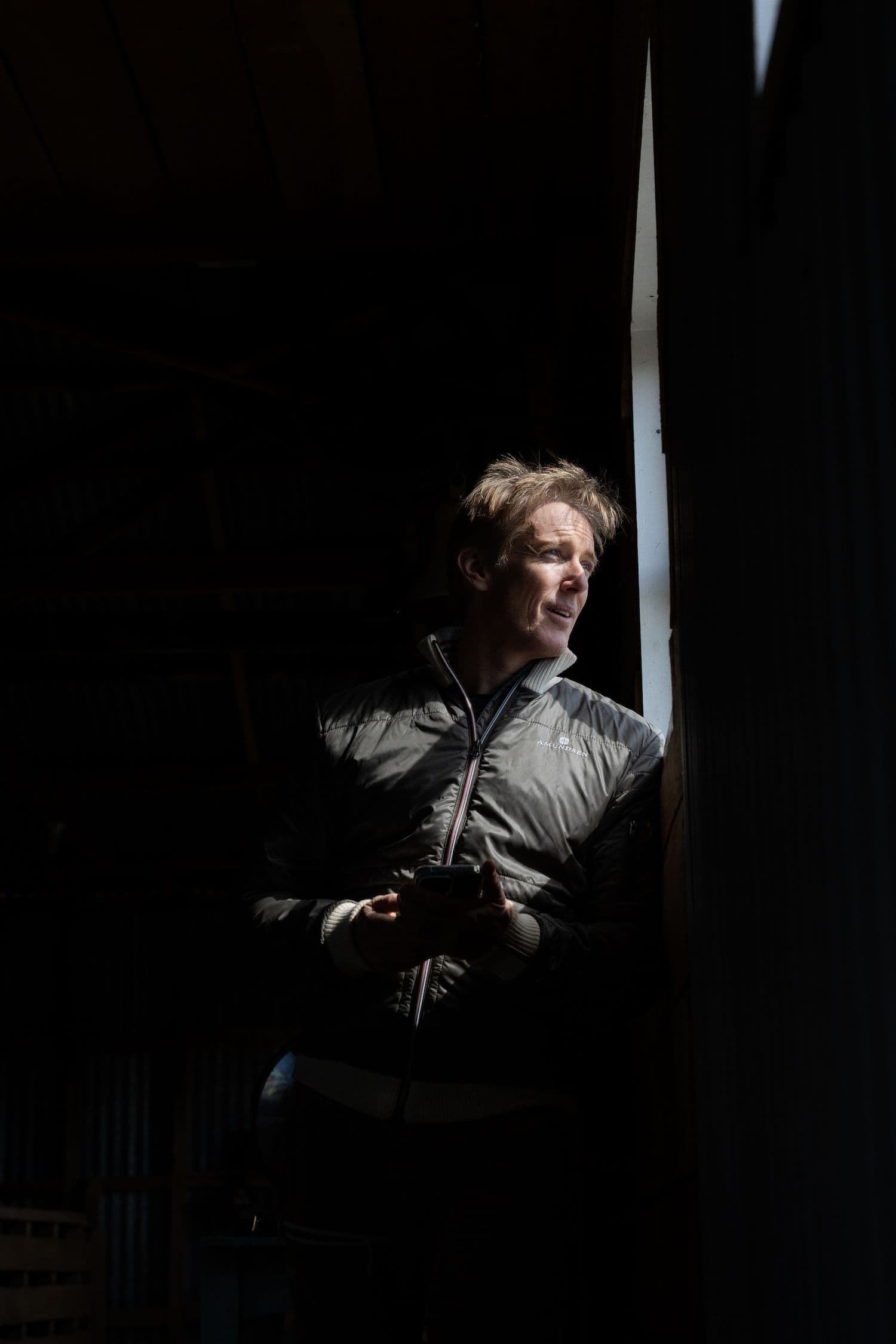
The story of White Desert is, ultimately, the story of the people who believed it could be done.
Foundation
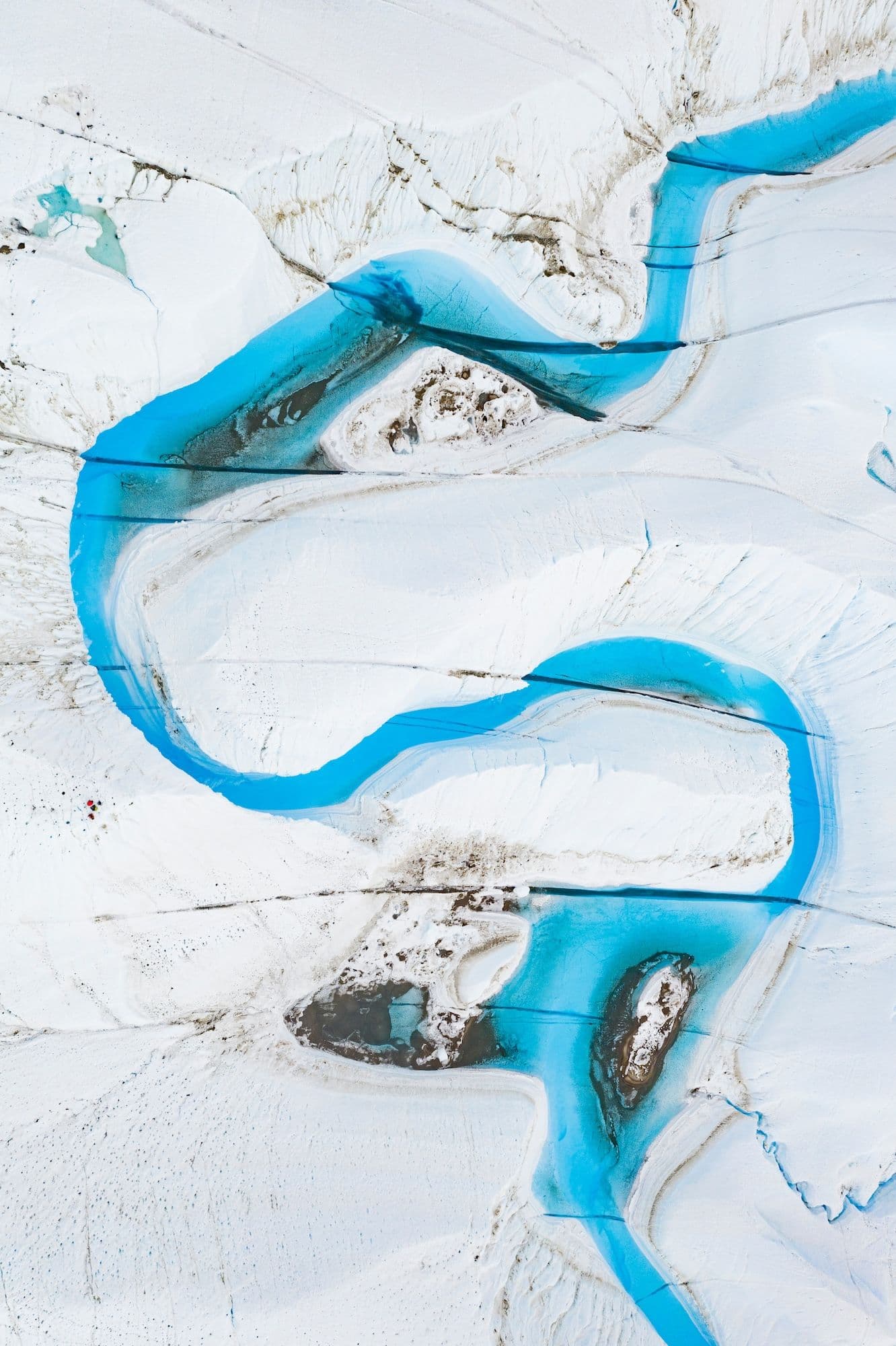
By leveraging our unique access to the Antarctic interior, we support researchers studying the planet’s climate and drive initiatives that reduce carbon emissions while restoring fragile ecosystems.
Sustainability
The Antarctic Treaty, first signed in 1959 and now joined by 46 countries, lays the foundation for all activity on the continent.
Our Camps
At White Desert, each of our camps reveals a different facet of Antarctica’s astonishing beauty.