Ecology of the Atka Bay Fast Ice
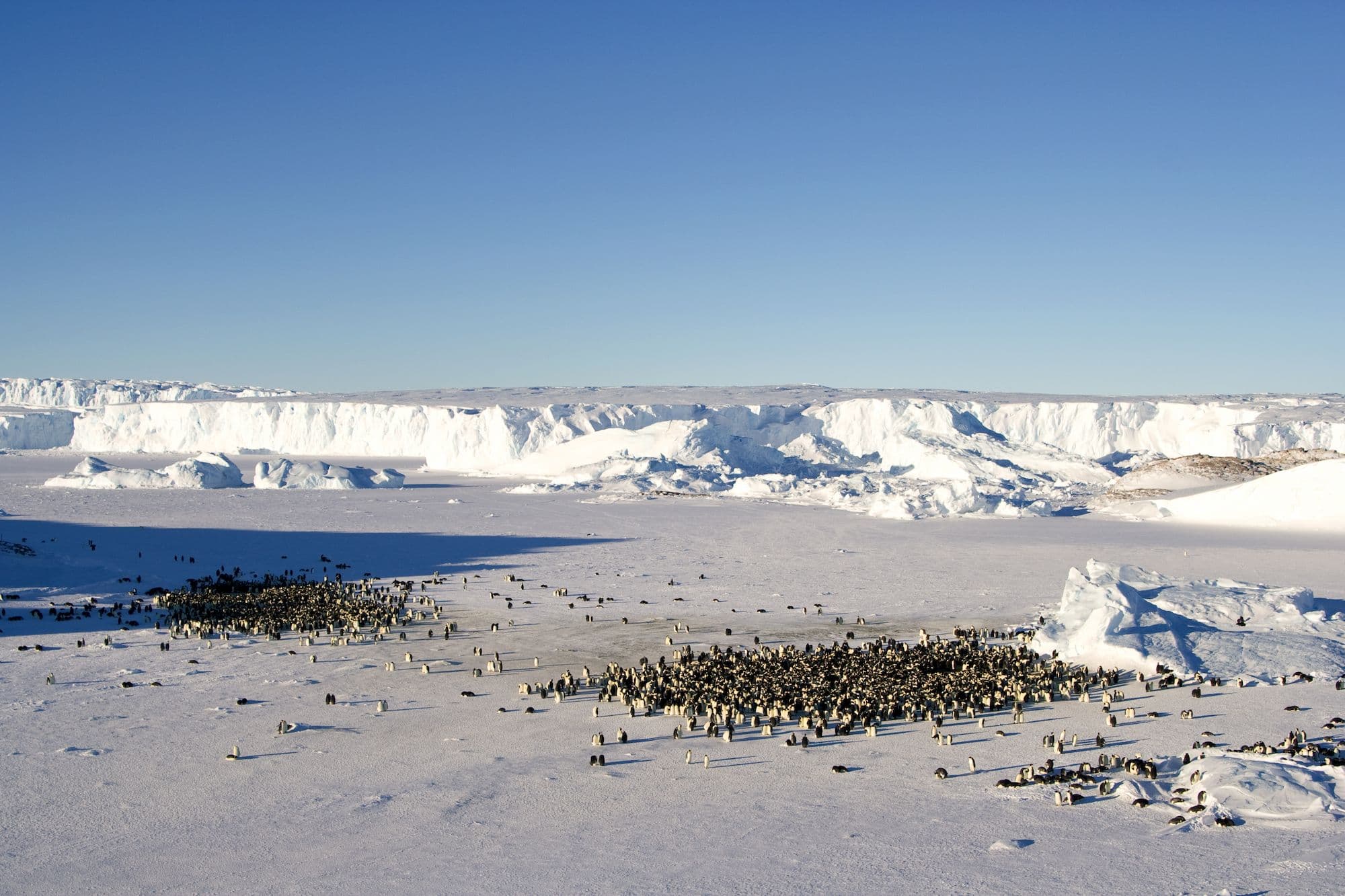
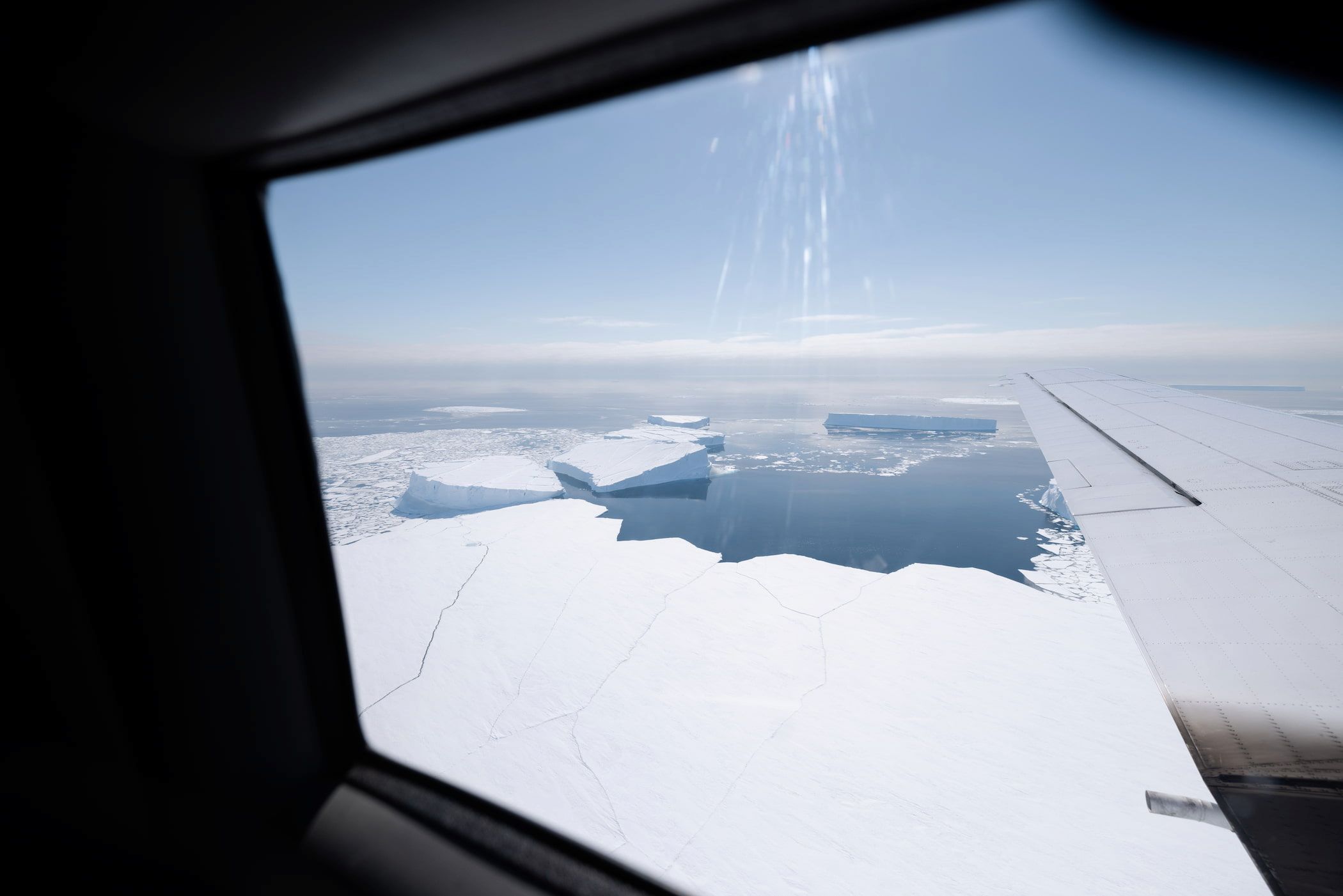
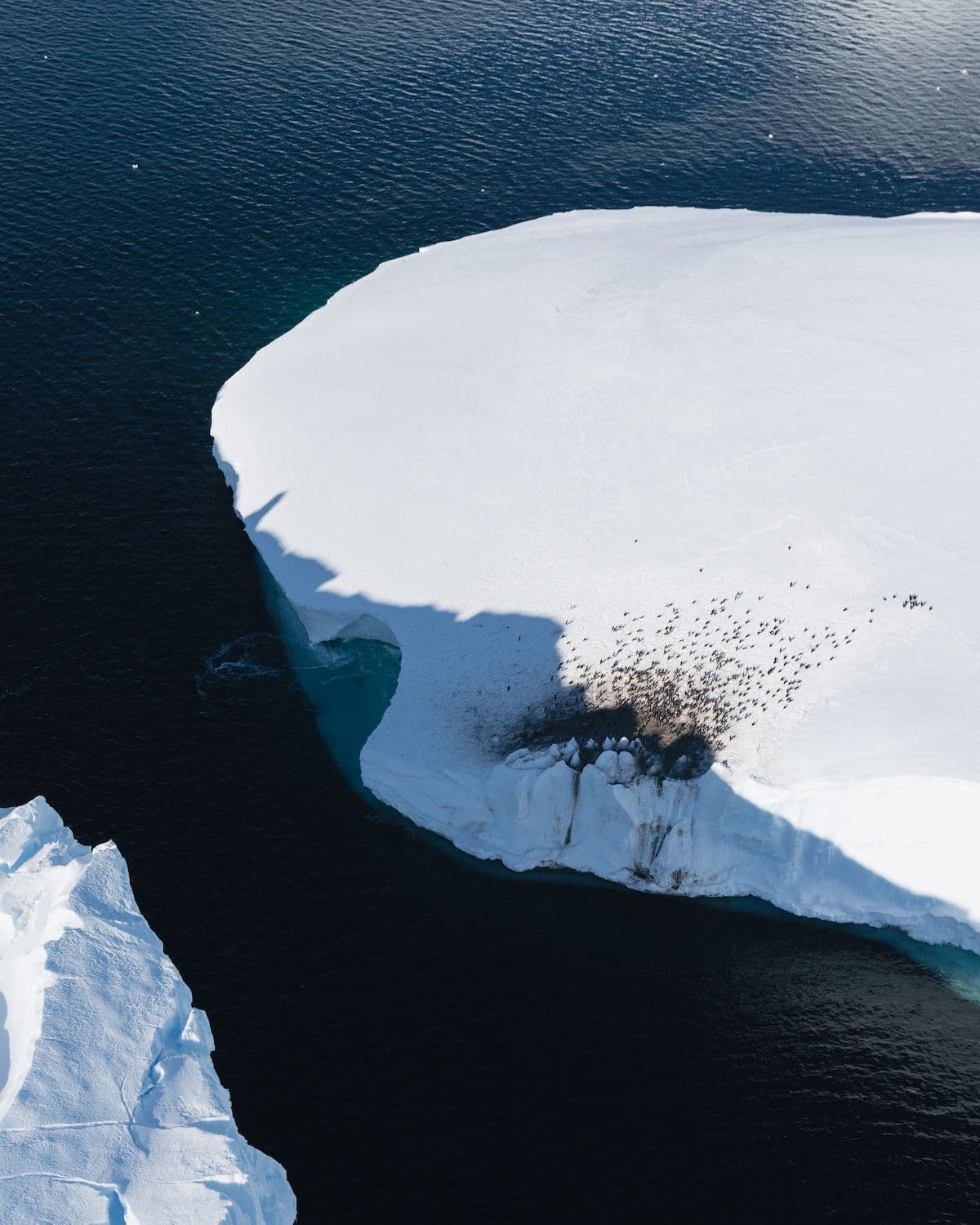
Along the Princess Martha Coast, Atka Bay is one of Antarctica’s most remarkable wildlife and research sites. This roughly 440 km² (170 sq mi) expanse of seasonal fast ice forms where sea ice becomes anchored to the grounded Ekström Ice Shelf, creating a stable platform that endures through the harsh polar winter. This fast ice lasts because the coastline and nearby ice shelf protect it, and local weather and ocean conditions prevent it from breaking up during winter. These environmental conditions make Atka Bay one of the few places in Antarctica where Emperor penguins can successfully breed.
An Emperor Penguin Sanctuary
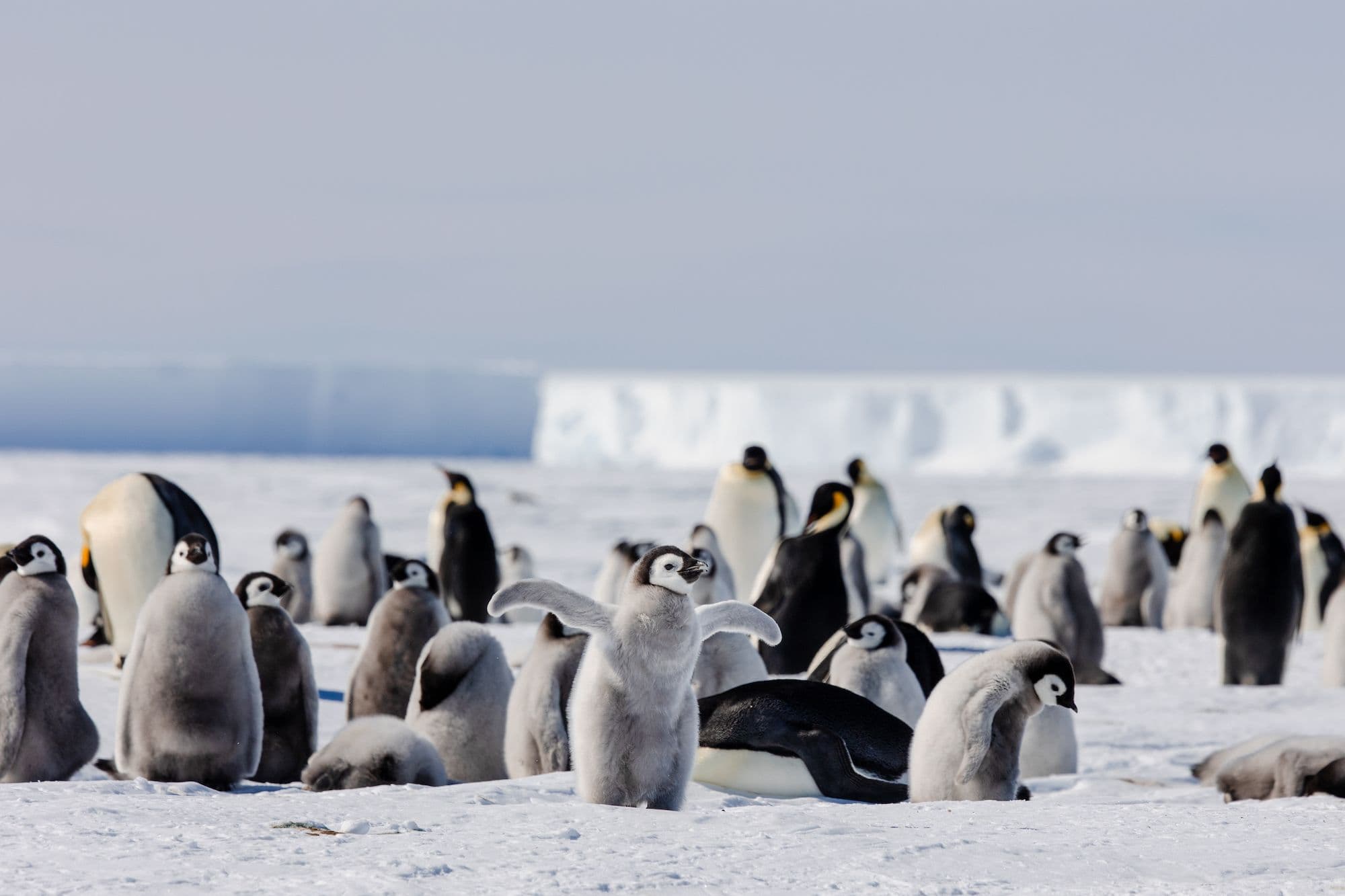
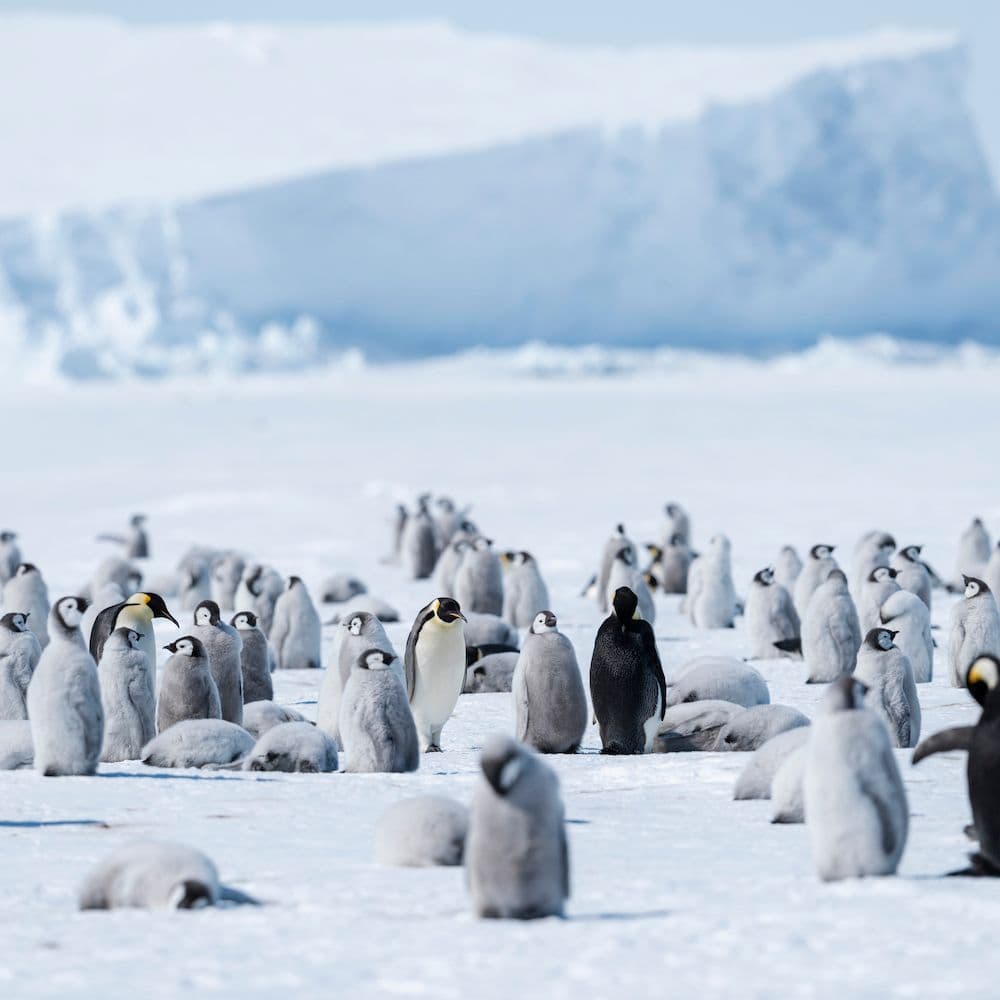
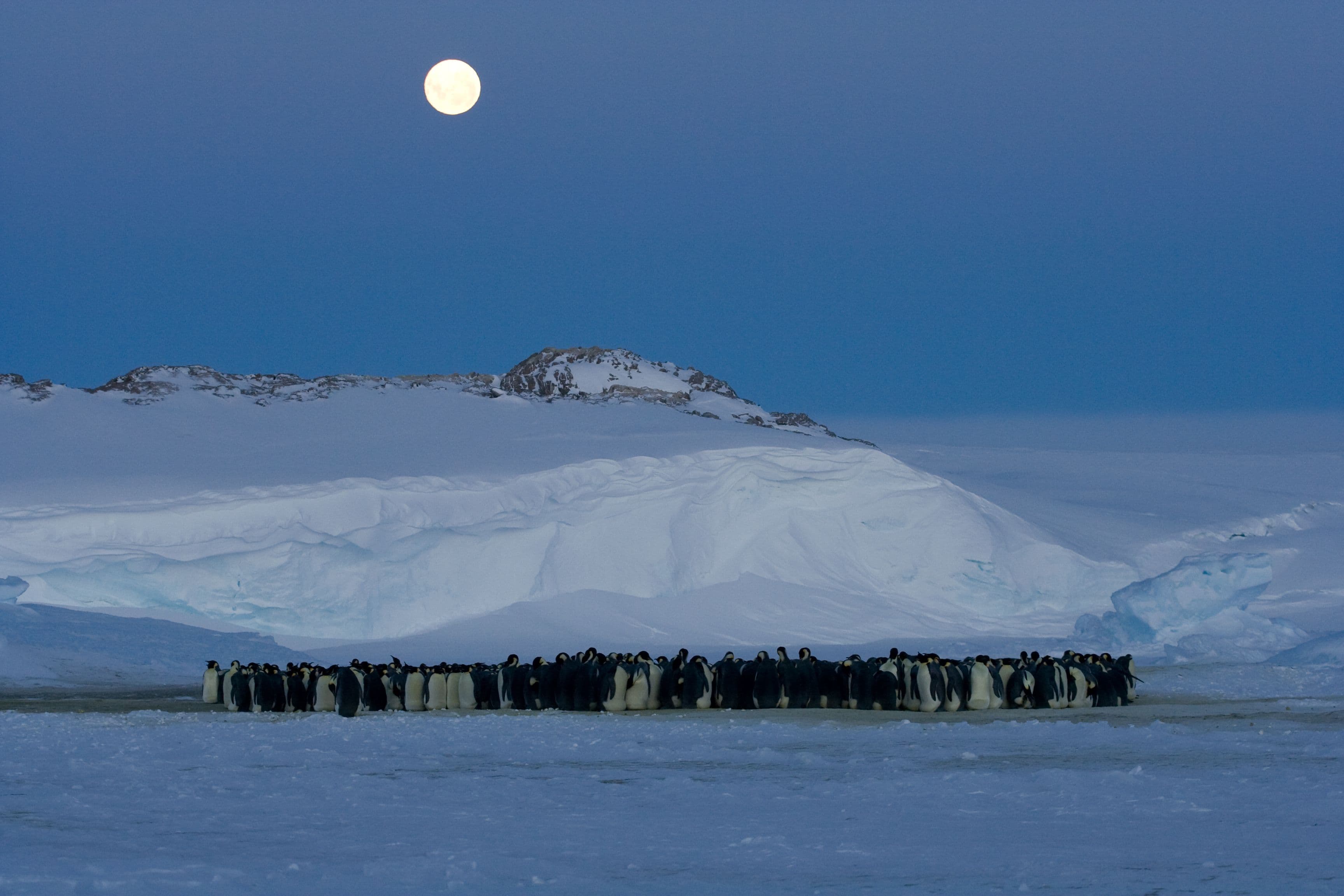
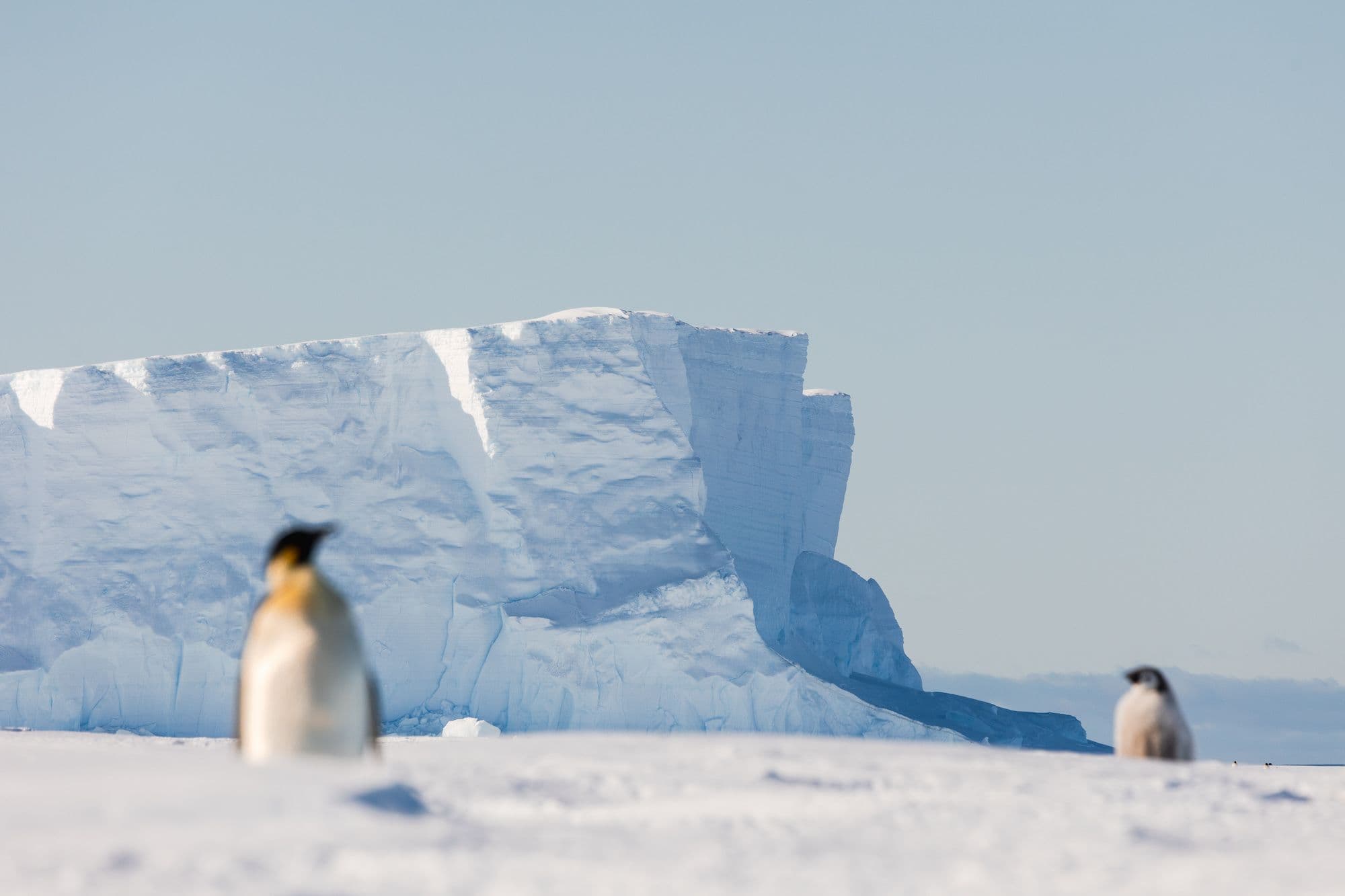
The bay is home to a large and long-studied Emperor penguin colony, famously documented in National Geographic’s Secrets of the Penguins. Emperors rely on stable winter sea ice for the entire breeding cycle: males incubate the eggs through months of darkness and temperatures that fall below - 40°C ( - 40°C), while females forage in the frigid waters beyond the ice edge. At Atka Bay, the presence of polynyas — areas of open water created by persistent winds and ocean currents — provides vital feeding grounds rich in krill, fish and squid. This interplay between fast ice stability and reliable offshore foraging makes the bay one of the most important Emperor penguin habitats in the world.
Atka Bay is not just a refuge for penguins. Weddell seals are known to haul out on the fast ice to rest and give birth, taking advantage of breathing holes they maintain with their teeth. Snow petrels and Antarctic petrels sweep overhead on coastal winds, while skuas patrol the colony margins. Under the ice, a surprisingly complex marine community thrives, including cold-adapted invertebrates, bioluminescent plankton and ice algae that bloom in the underside of the sea ice each spring, forming the base of the food web.
Scientifically, the region has been central to polar research for decades. Named after the USS Atka, whose expedition in 1955 scouted locations for the International Geophysical Year, the bay continues to support cutting-edge glaciology, meteorology and sea-ice studies. The Alfred Wegener Institute’s Neumayer III Station, located on the Ekström Ice Shelf, operates year-round and uses the bay as a natural laboratory for observing long-term trends in sea-ice dynamics, atmospheric circulation and Emperor penguin population changes in response to climate variability.
-
ATKA BAY OPENS INTO A WIDE FIELD OF FAST ICE, A CLEAR AND MEASURED LANDSCAPE WHERE EMPEROR PENGUINS RETURN EACH YEAR
TO RAISE THEIR YOUNG.
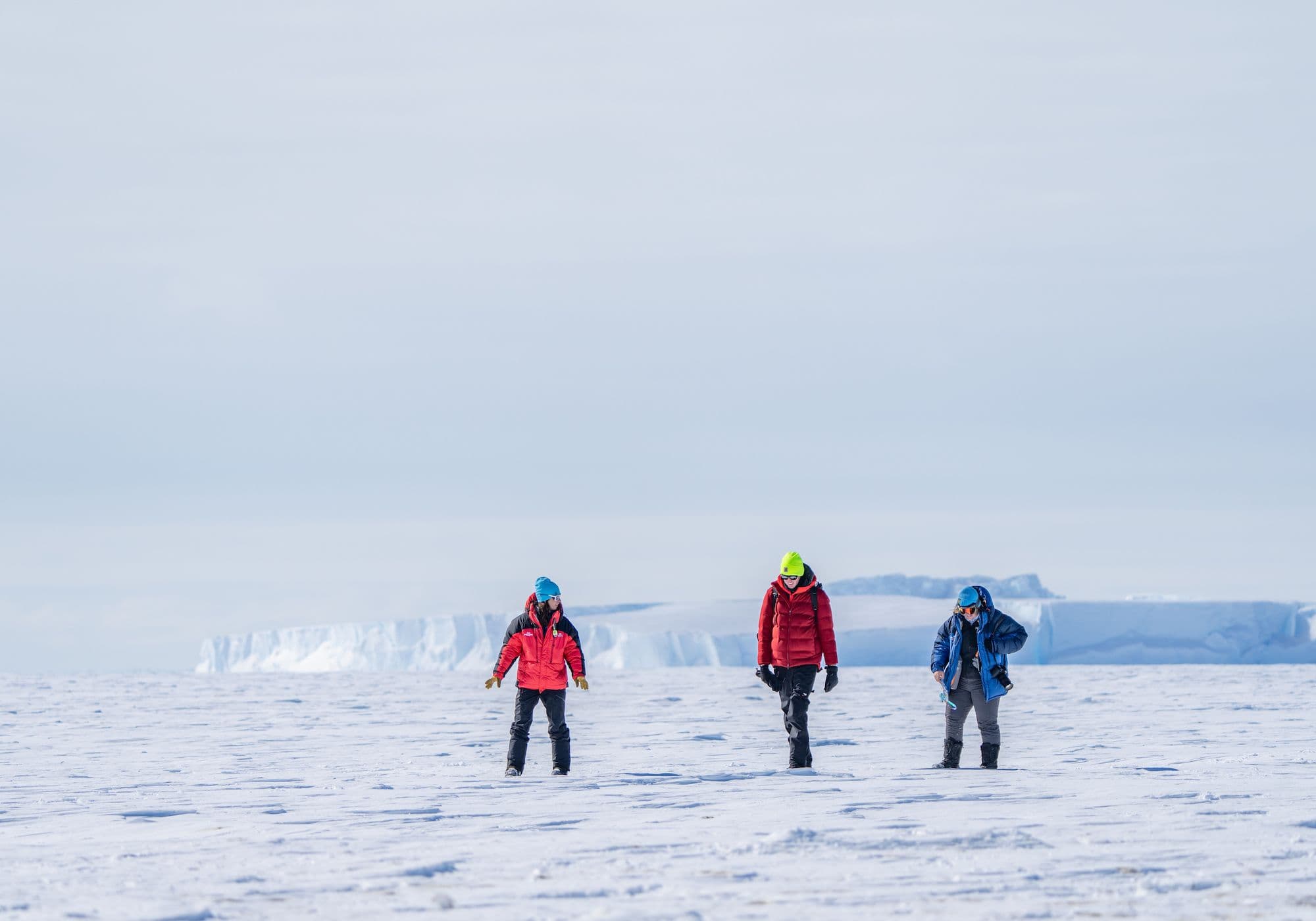
White Desert visits operate under strict IAATO regulations and site-specific scientific protocols to ensure that distances, noise levels, and approach routes do not interfere with ongoing research or wildlife behaviour. Every step is designed to protect the delicate relationship between fast ice, ocean and atmosphere that makes Atka Bay one of Antarctica’s most exceptional natural environments.
More
about us
Our Story
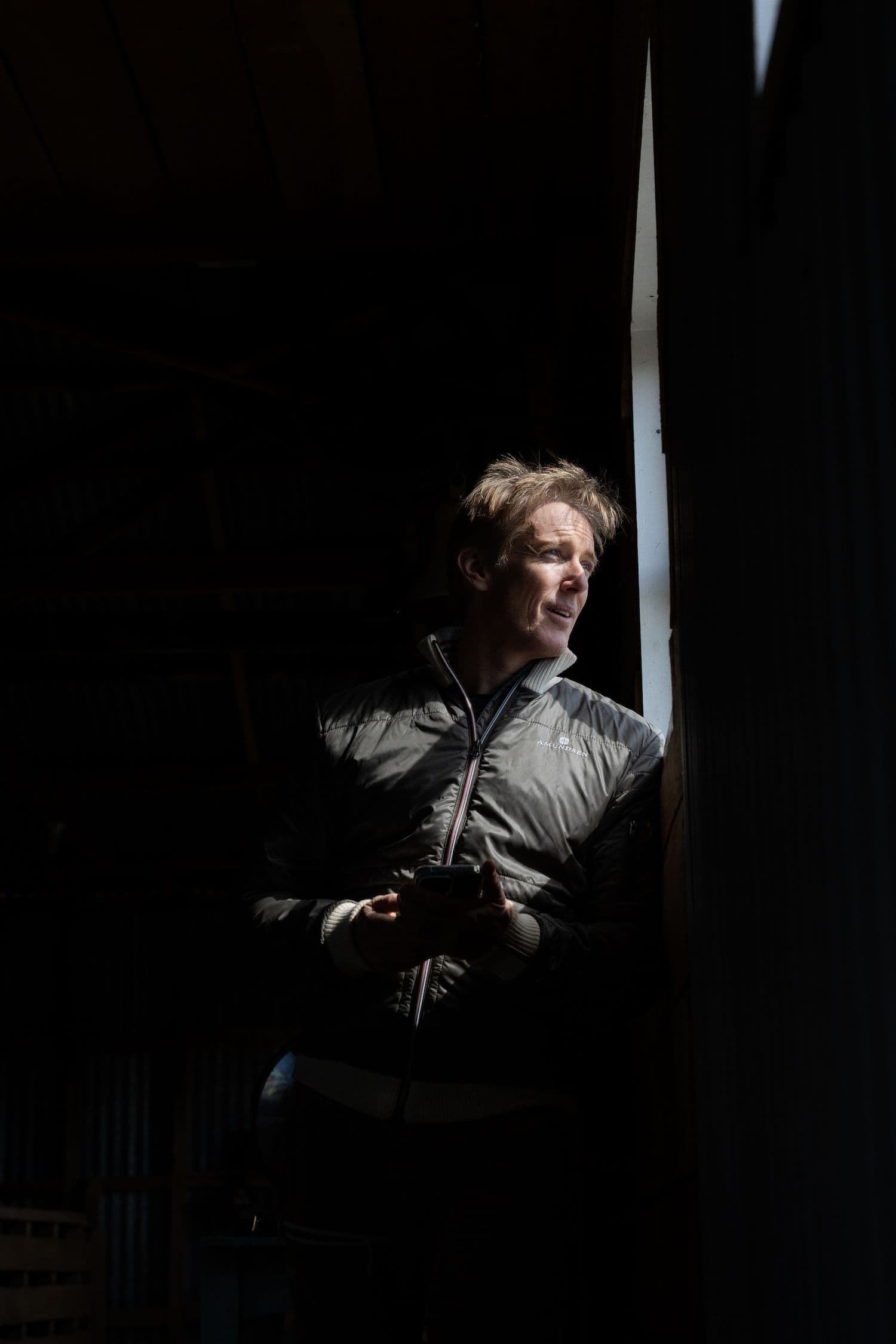
The story of White Desert is, ultimately, the story of the people who believed it could be done.
Foundation
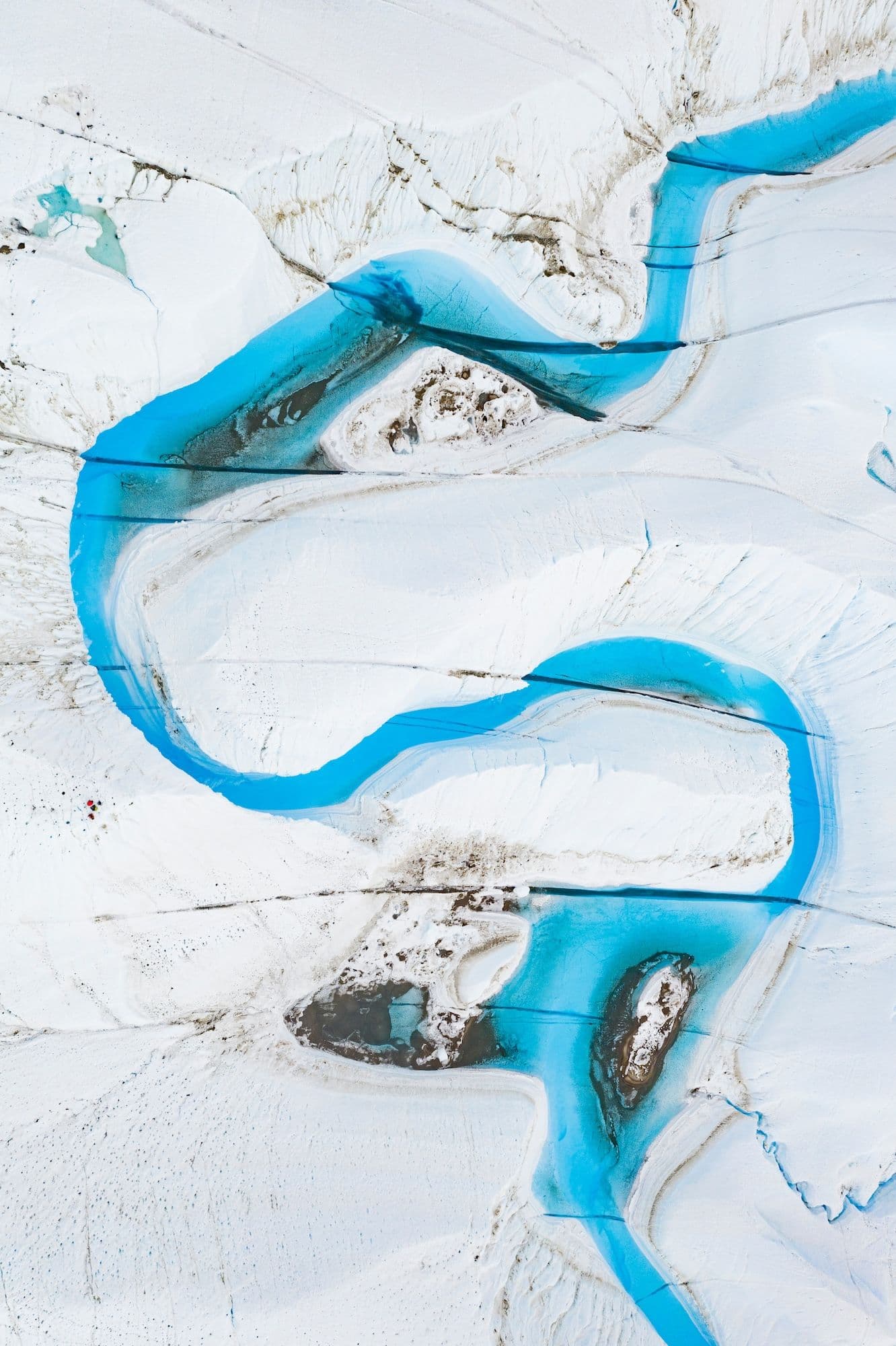
By leveraging our unique access to the Antarctic interior, we support researchers studying the planet’s climate and drive initiatives that reduce carbon emissions while restoring fragile ecosystems

Sustainability
The Antarctic Treaty, first signed in 1959 and now joined by 46 countries, lays the foundation for all activity on the continent.
Our Camps
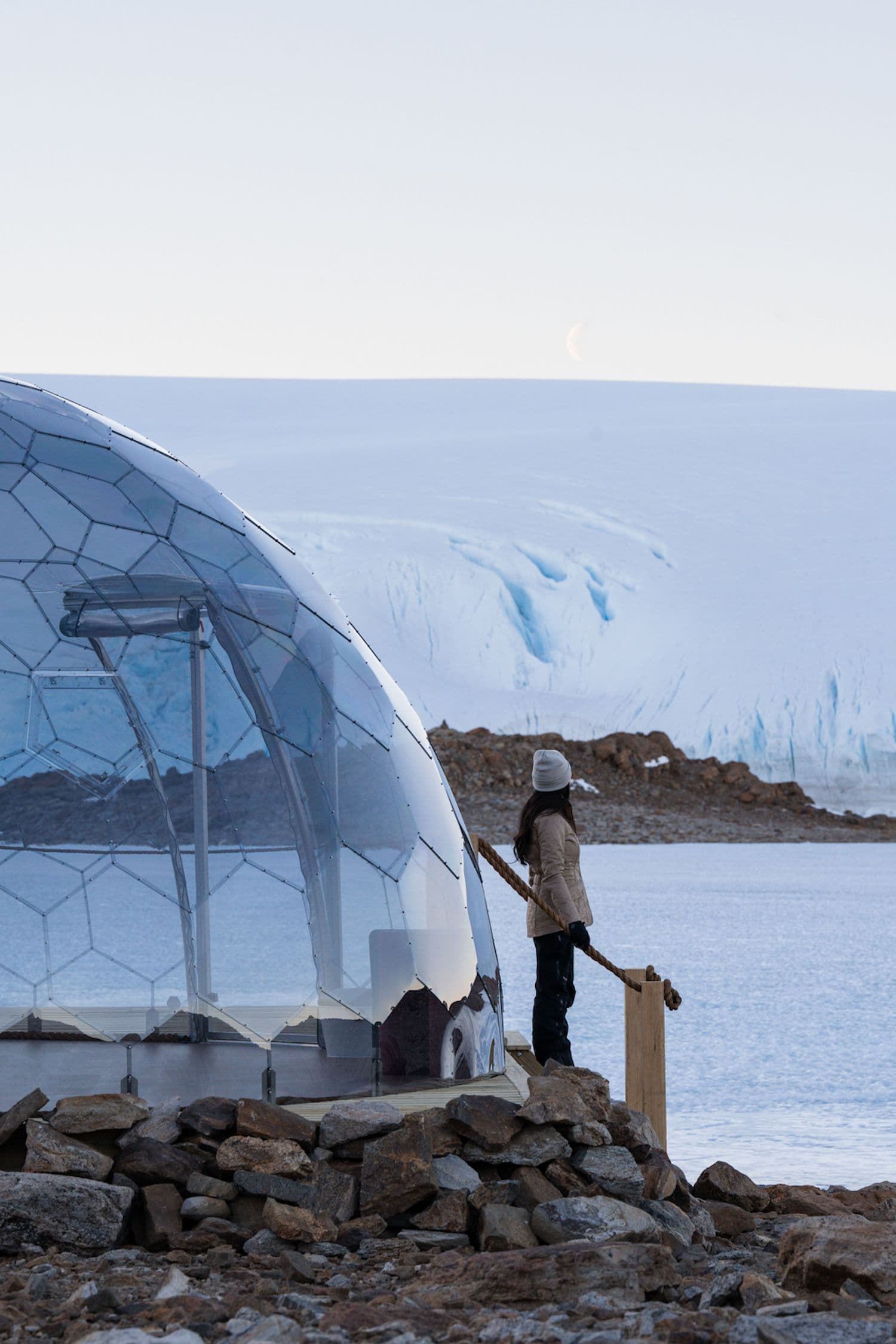
At White Desert, each of our camps reveals a different facet of Antarctica’s astonishing beauty.