Sustainability Policy at White Desert
Environmental Governance in Antarctica
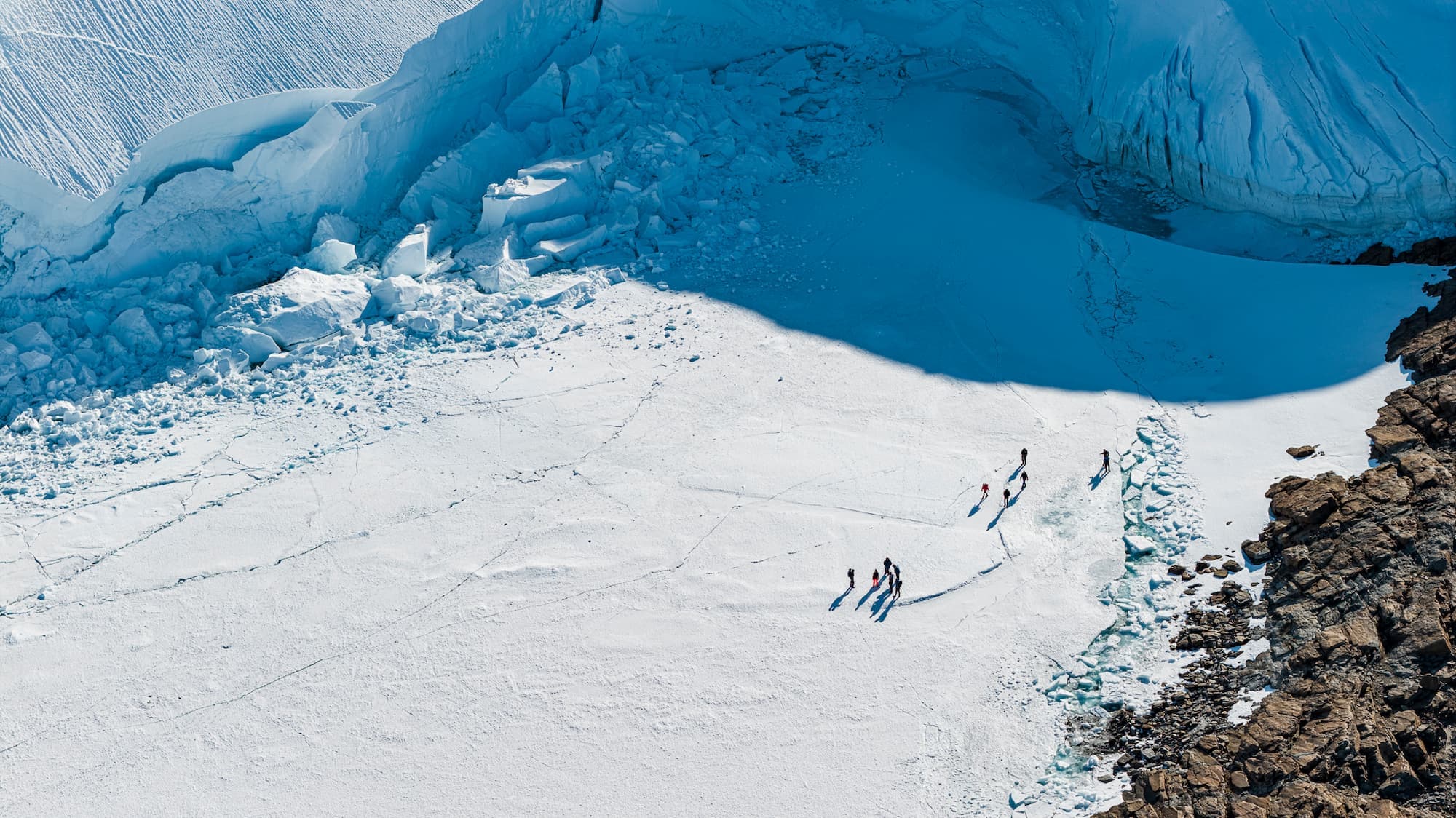
With two decades of experience in Antarctica, White Desert understands what it takes to operate responsibly in one of the world’s most fragile environments. Antarctica is unique as there are no nations here, and its protection is guided entirely by international agreements that prioritise peace, science, and conservation. The Antarctic Treaty, first signed in 1959 and now joined by 46 countries, lays the foundation for all activity on the continent. Environmental protection is further reinforced under the Madrid Protocol of 1991, which designates Antarctica as a 'natural reserve'. Every activity must be assessed for environmental impact, and only those deemed to have less than a minor or transitory effect are permitted. Environmental monitoring is carried out each season to ensure compliance and support continuous improvement. Air, water, and fuel use are carefully tracked, waste management is closely monitored, and renewable energy initiatives are implemented wherever possible. At White Desert, these rules are not just followed, but they guide everything we do. From expedition planning to camp setup, each itinerary is designed to minimise environmental impact while providing a truly unique and authentic Antarctic experience.
Shaping Policy and Leading Change:
White Desert actively helps shape sustainable practices across the Antarctic sector. Founder Patrick Woodhead has represented the UK government at Antarctic Treaty Consultative Meetings (ATCM) on aviation matters. White Desert also employs a dedicated Environmental Consultant who oversees operations, advises on logistics, and ensures that environmental impact is continuously reduced.
Environmental Impact and Monitoring:
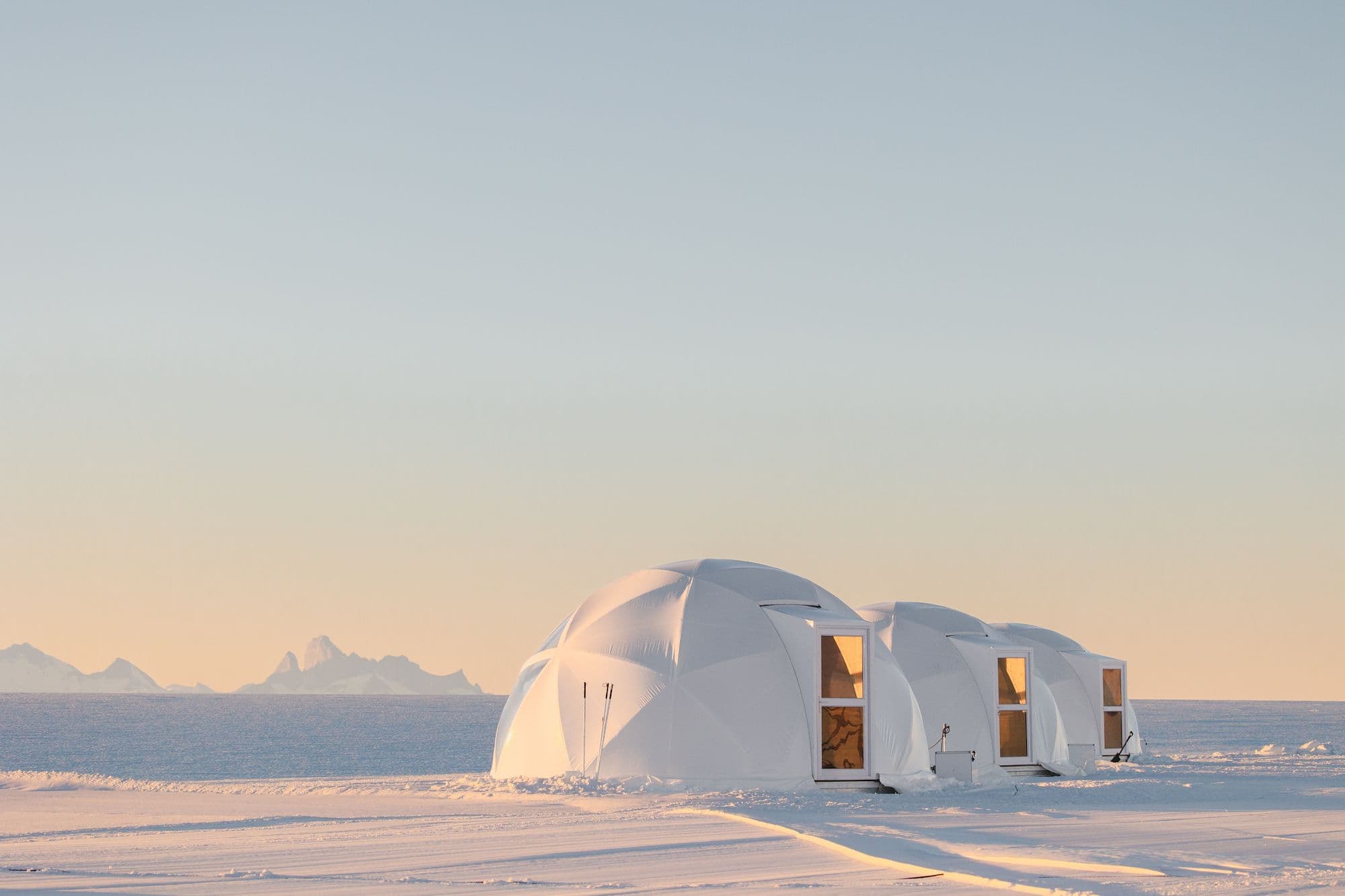
White Desert has been recognised for its leadership in environmental protection, including awards for our Initial Environmental Evaluation (IEE), which clearly demonstrates how our operations maintain less than a minor or transitory environmental impact. Our camps are fully temporary and designed to leave no trace, while every activity follows strict mitigation measures.
Sustainable Aviation Fuel (SAF)
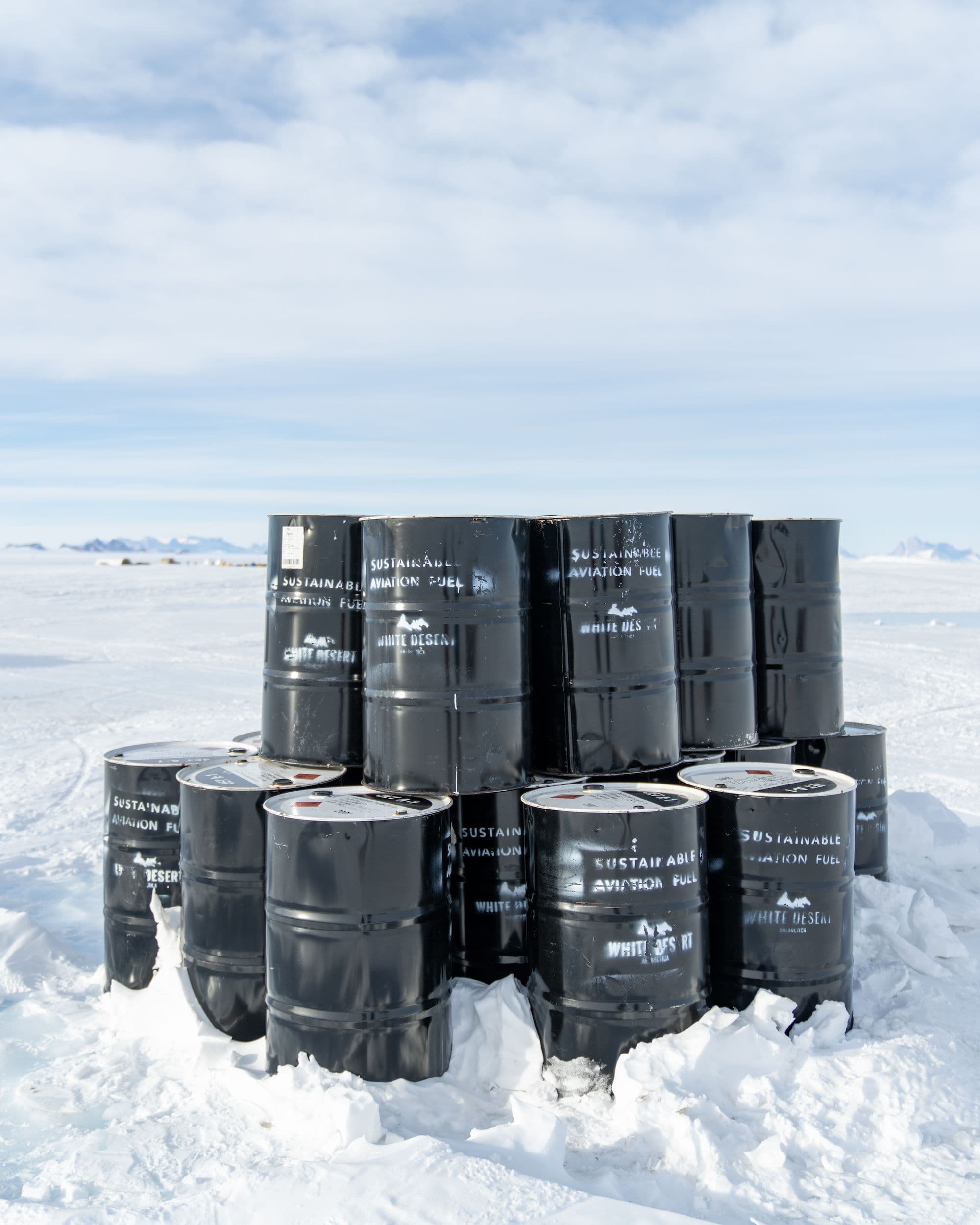
In 2021, White Desert became the first Antarctic operator to use Sustainable Aviation Fuel; a major step in reducing the carbon footprint of aviation in Antarctica. SAF is produced from waste oils rather than crops, offering a carbon reduction of up to 80% compared to conventional jet fuel.
Current blends of SAF provide a 24-40% reduction in emissions, while also producing less soot and sulfur — critical for maintaining air quality over the continent. In future seasons, White Desert plans to use SAF for all Antarctic flights, supporting our science-based targets and commitment to the Pledge to Net Zero.
Carbon Offsetting:
Residual carbon emissions that cannot be avoided are offset through internationally recognised programs. White Desert has been Carbon Neutral® certified since 2007 and has contributed to the Global Renewable Energy Portfolio since 2020. These measures ensure that our operations are as responsible as they are adventurous.
Leadership in Antarctic Sustainability:
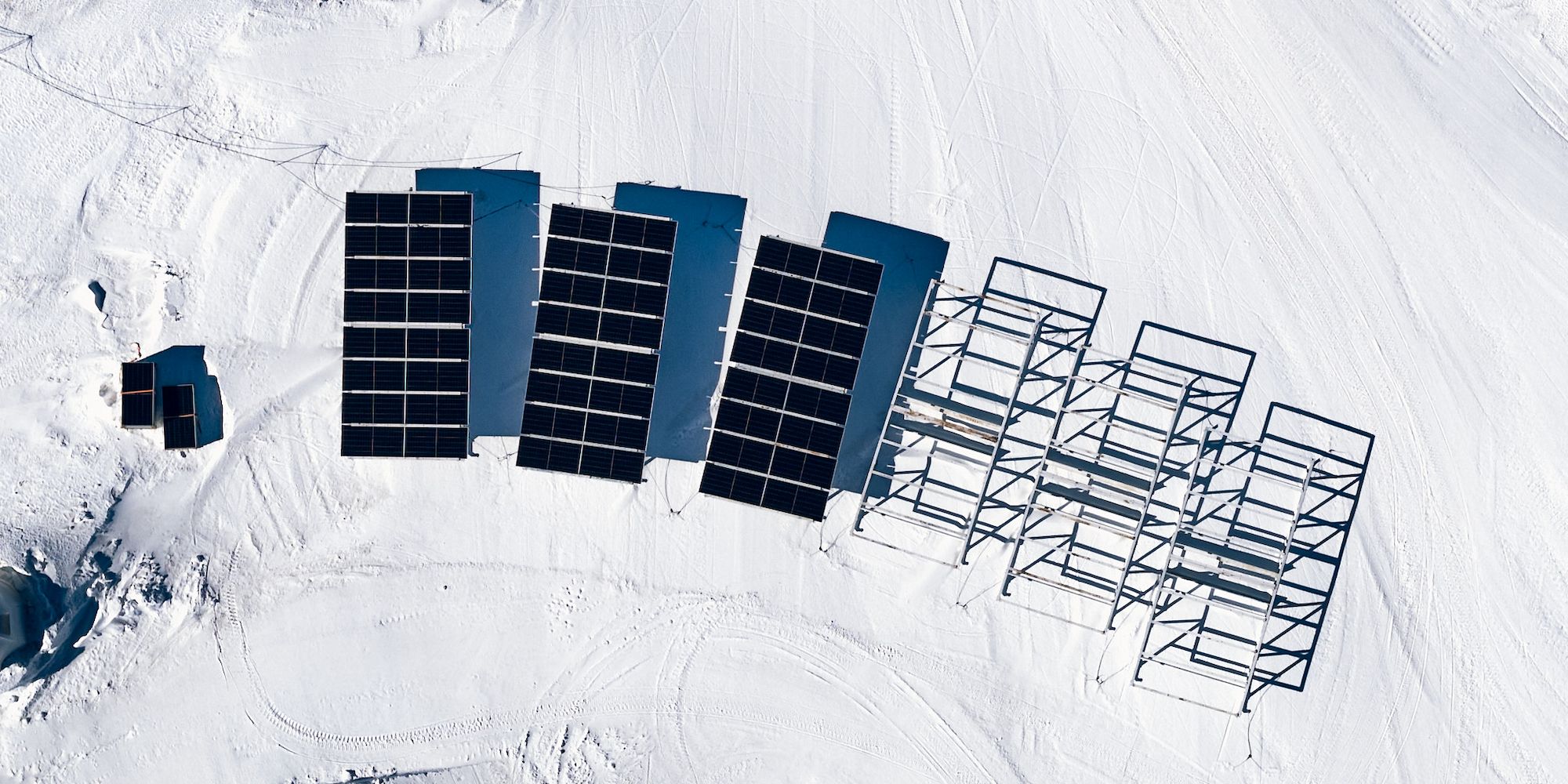
White Desert continues to set the standard for environmental stewardship in Antarctica. We innovate with renewable energy such as relying exclusively on solar panels, implement strict environmental management plans, influence policy through leadership roles, and publish annual Environmental and Sustainability Reports. By combining luxury travel with rigorous sustainability practices, we offer our guests the chance to explore Antarctica responsibly, leaving the continent inspired to protect its extraordinary beauty for future generations.
-
More
about us
Foundation
Making an impact at the edge of the world.

Our Story
The story of the people who believed it could be done.
Operation
Go behind the scenes in creating each White Desert season.
Regions
Discover the unique areas we operate in across Antarctica.